Table of Contents
The purpose of this visit was to walk around Seochon and get a sense of what kind of neighborhood it is. I wanted to explore some of its major landmarks and spaces along the way.
Seochon is located between the west side of Gyeongbokgung Palace and the eastern foothills of Inwangsan Mountain. It is also known as Sejong Village because King Sejong was born here. (Apparently, King Sejong was born outside the palace because Taejong had not yet become king at the time.)
During the Joseon Dynasty, the area was home to jungin, the middle class between the yangban aristocracy and commoners, as well as ordinary people. After Korea was liberated from Japanese rule, artists such as Lee Jung-seop, Yun Dong-ju, and Park No-soo are said to have lived here.
Walking Route: Gyeongbokgung Station Exit 2 -> Sejong Village Food Culture Street -> House of Yi Sang -> Daeo Bookstore -> Jongno Park No-soo Museum -> Site of Yun Dong-ju’s Boarding House -> Suseongdong Valley -> Haemaji Hill -> Tongin Market -> Boan Inn -> Daelim Museum -> Starbucks Jeokseon
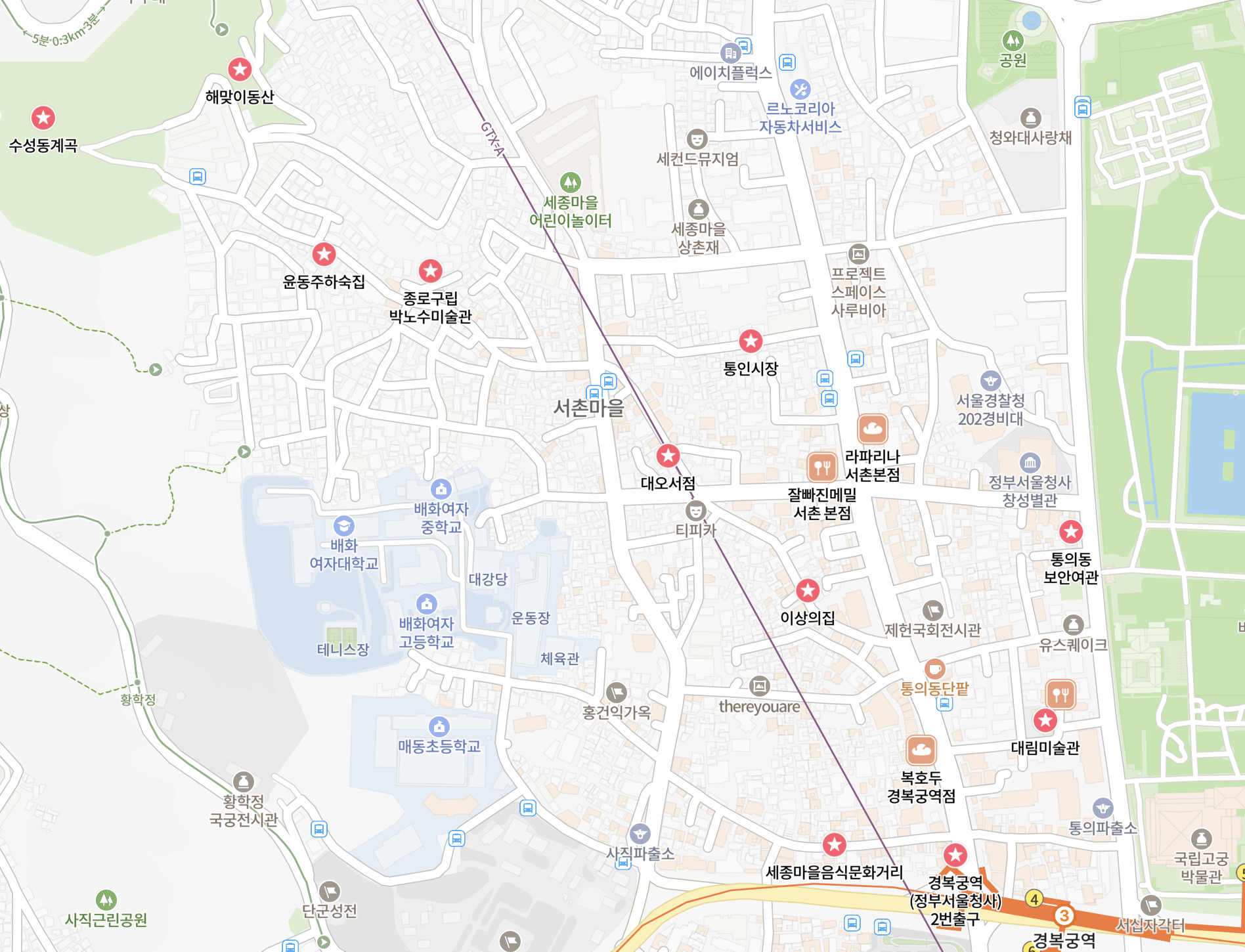
Gyeongbokgung Station
The first thing I did was leave home and head to Gyeongbokgung Station. From Sillim Station, you can reach Gyeongbokgung Station in under 50 minutes with one transfer, either at Euljiro 3-ga Station or Express Bus Terminal Station.
As you might expect from its name, the station was designed with Gyeongbokgung Palace in mind. The space features granite finishes and ceilings with arched and rectangular frames inspired by the palace’s stone architecture and design.
The architects behind the design, Ryu Chun-soo and Kim Swoo-geun, were among the first generation of modern Korean architects. Kim Swoo-geun, in particular, designed buildings such as the Walkerhill Hotel, Jayu Center (Namsan J-Grande House), Namsan Tower Hotel (Banyan Tree Club & Spa Seoul), Sewoon Sangga, the Olympic Main Stadium, and the Namyeong-dong Anti-Communist Investigation Office. More details</a>
Metro Art Museum operated inside the station until 2024, when it was closed to improve pedestrian circulation.

Gyeongbokgung Station opened in 1985 under the name Jungangcheong Station before being renamed to its current name.
“Jungangcheong” was the name commonly used for the former Government-General of Korea building during the early years of the Republic of Korea after liberation from Japanese colonial rule.
After liberation, the building was used by the U.S. military government, as the presidential office, and later as the National Museum of Korea. In 1995, on the 50th anniversary of liberation, it was completely demolished under the Kim Young-sam administration, beginning on Liberation Day.
I imagine that when this station was being designed, the former Government-General building, which still stood nearby, may have influenced the design alongside Gyeongbokgung Palace.
West of Jahamun-ro
Seochon can broadly be divided into east and west by a road called Jahamun-ro.
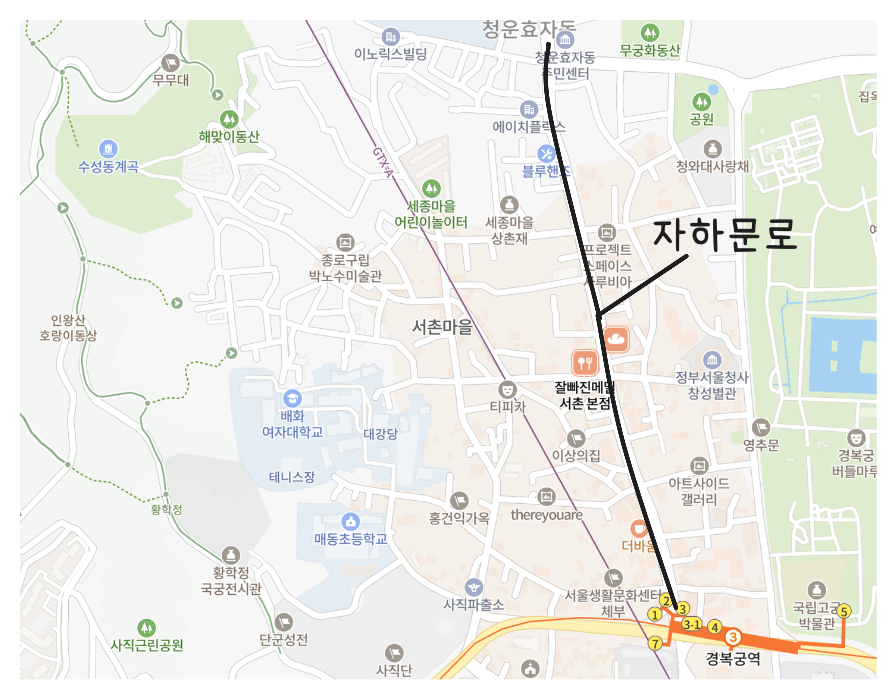
Sejong Village Food Culture Street, the House of Yi Sang, Daeo Bookstore, the Jongno Park No-soo Museum, the site of Yun Dong-ju’s boarding house, Suseongdong Valley, Haemaji Hill, and Tongin Market are all located west of Jahamun-ro.
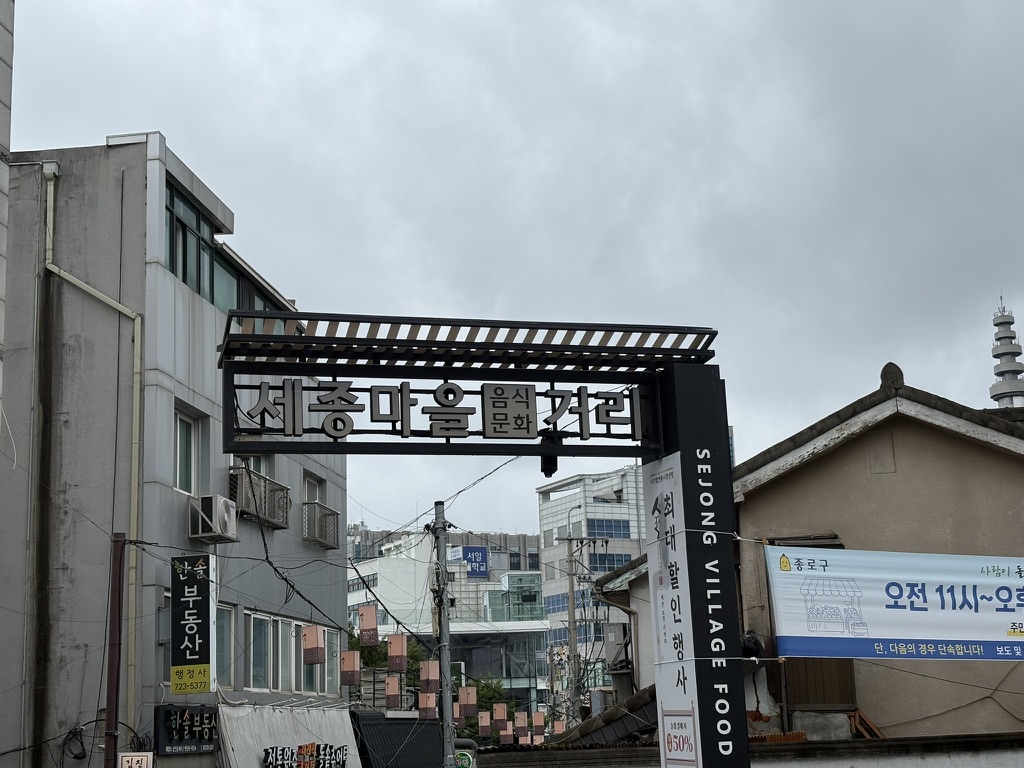
I first came out of Exit 2 of Gyeongbokgung Station to visit Sejong Village Food Culture Street.
The street is known as a food alley. It was once called Geumcheongyo Market before being given its current name, Sejong Village Food Culture Street, in 2011.
I visited on a Sunday afternoon, but the street was surprisingly quiet, perhaps because everyone had gone hiking on Inwangsan. I didn’t see anything that particularly caught my appetite, so I just looked around and moved on.
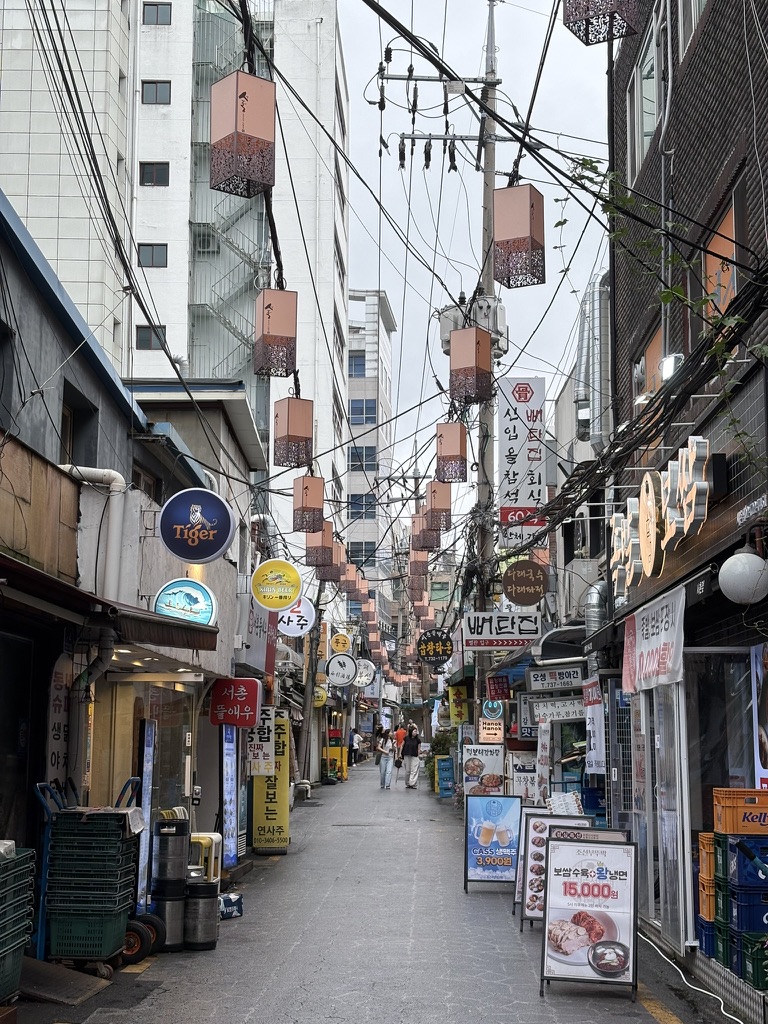
On the way to the House of Yi Sang, I came across a samgyetang restaurant. Maybe because Sambok had only recently passed, the line was so long that it seemed like it would never end. (I spent this year’s Malbok with McDonald’s McWings instead of samgyetang.)
The House of Yi Sang is a small cultural space built on part of the site where Yi Sang, a novelist and poet during the Japanese colonial period, was born and lived from the age of three for more than 20 years.
The first floor archives portraits and works by Yi Sang, while the second floor has a railing overlooking the courtyard. (It’s a very small space.)

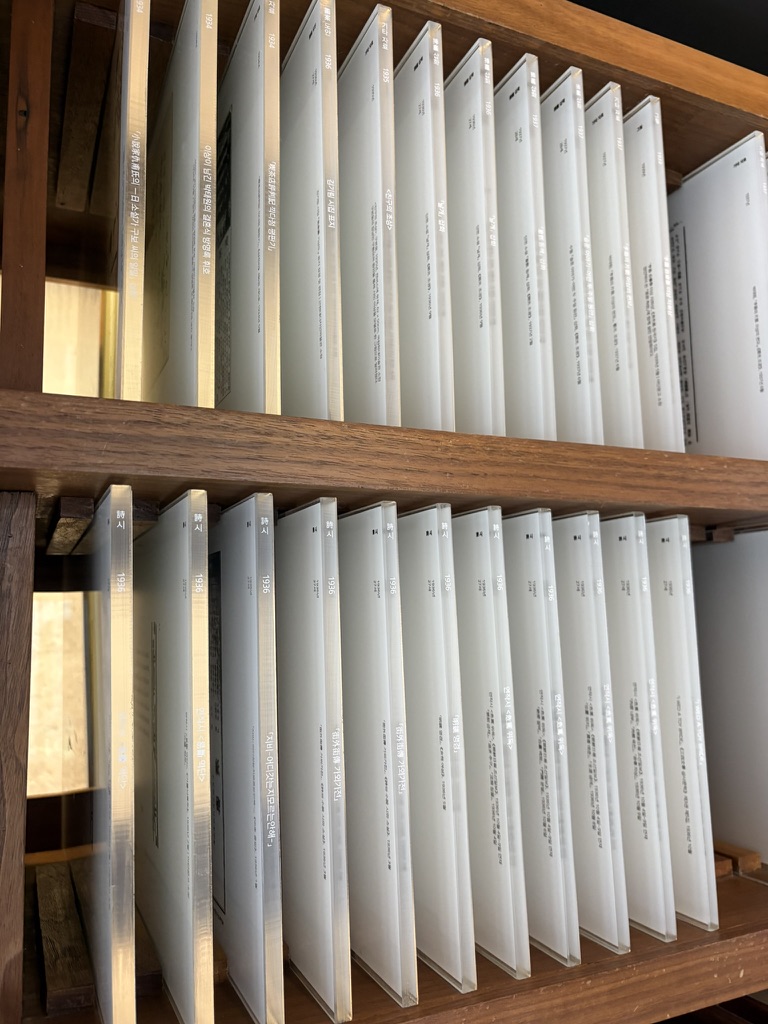
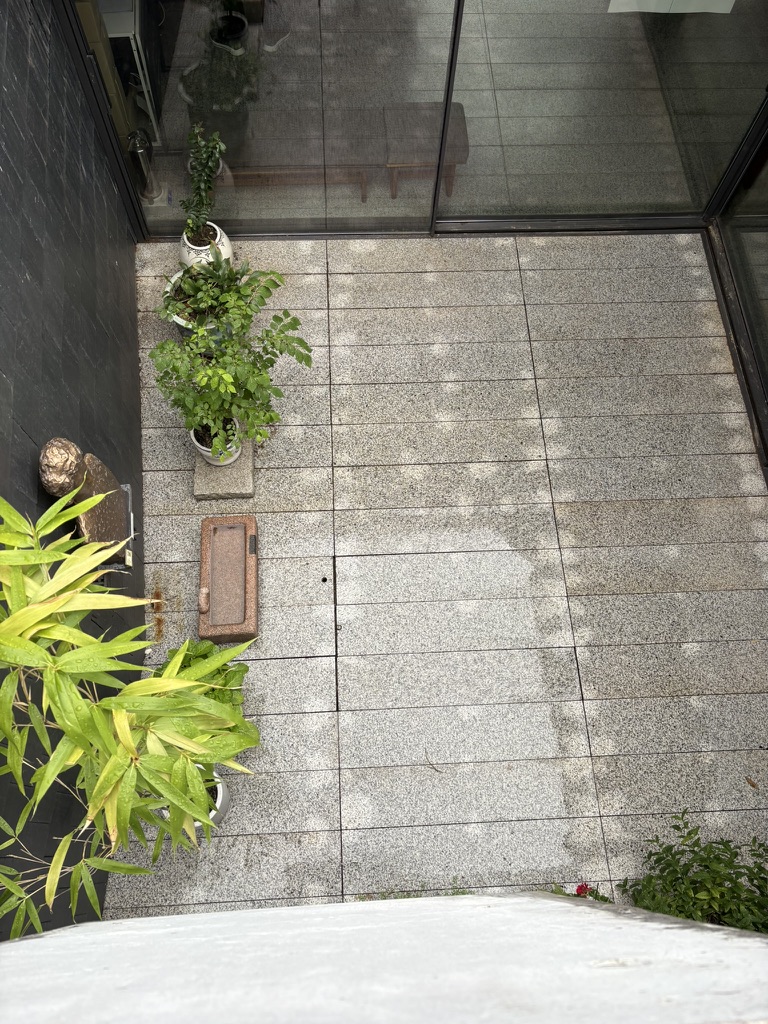
I had always thought Yi Sang was his real name, but his real name was Kim Hae-gyeong, and Yi Sang was one of his pen names. He also wrote under the names Bigu, Bosan, and Hwayung.
He originally dreamed of becoming a painter, but against his father’s wishes, he entered the architecture department at Gyeongseong Higher Technical School (now Seoul National University) and graduated at the top of his class.
After graduation, he was recommended by the school to work as an architectural engineer for the Government-General of Korea. He made his literary debut by serializing his novel December 12 in Joseon, a magazine published by the Government-General.
He went on to publish works such as Wings, A Spider Meet a Pig, and Crow’s-Eye View, but his tuberculosis worsened, and he died at the age of 27.
After looking up more about the poet Yi Sang online, I came across some interesting stories about his relationships.
There was the woman named Geumhong whom he met at a hot spring while seeking treatment for tuberculosis. He opened a teahouse with her and lived with her. When the business struggled, she left home and began living a more reckless life, which Yi Sang later reflected in his novel Wings.
There was also a love triangle involving his friend Jeong In-taek and another woman, Gwon Sun-ok. In the end, Jeong In-taek and Gwon Sun-ok got married, and apparently Yi Sang even presided over their wedding.
And apparently, Yi Sang’s lover and Kim Whanki’s wife were the same person. More details can be found in the links below.
Stories about Yi Sang’s lovers</a>
The story of Yi Sang’s Byeon Dong-rim and Kim Whanki’s wife, Kim Hyang-an</a>
It was interesting to see such a human side of someone I had always heard described as a genius poet.
After leaving the House of Yi Sang, I headed to Daeo Bookstore. There were quite a few people inside, so I only took a photo of the exterior.
It is said to be the oldest bookstore in Seoul, though it now operates as a café. The building itself has a cozy, almost nostalgic atmosphere.
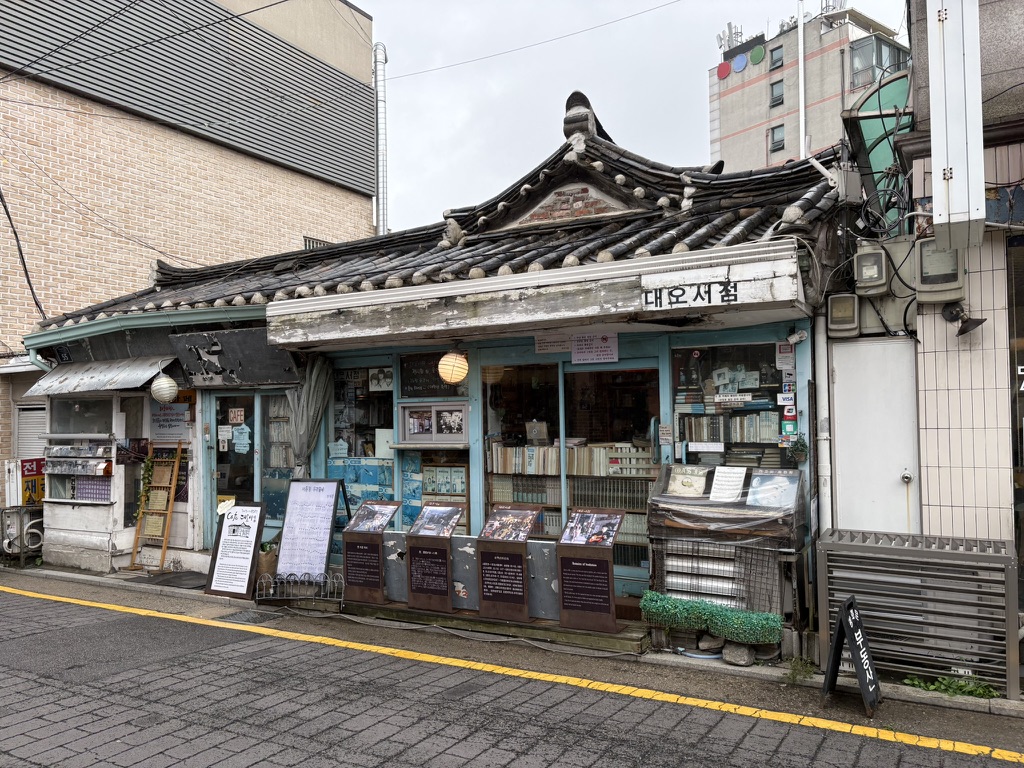
My next destination was the Park No-soo Museum. It is operated by Jongno-gu, and admission costs 3,000 won.
To celebrate its 12th anniversary, the museum was holding an exhibition called Landscape and Things. The exhibition is scheduled to run through December 6 this year.
The museum is open from 10 a.m. to 6 p.m. and is closed every Monday.
The house itself was built about 80 years ago, in the late 1930s, by pro-Japanese collaborator Yun Deok-yeong for his daughter.
In the 1970s, painter Park No-soo acquired the house and lived there for 40 years. Before his death, he donated his works, art collection, and the house to Jongno-gu, which eventually became the Jongno Park No-soo Museum. It went from the home of a pro-Japanese collaborator, to the home of a painter, and now to a museum.
The Park No-soo House was designated as Seoul Tangible Cultural Heritage No. 1 in 1991.
Photography wasn’t allowed inside, so I couldn’t take any photos, but the traditional Korean house seemed to have been given a modern Western-style interior. Photo source</a>
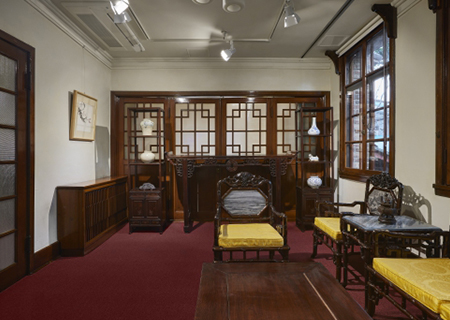
Since it was an old brick house and a cultural heritage site, visitors had to take off their shoes before entering. It was an unusual experience—walking into someone’s old home, putting on slippers, and looking at paintings.
Park No-soo was a Korean ink-and-color painter. He used vivid colors while making careful use of empty space, creating paintings that feel distinctly Korean—simple and restrained.
Small gardens surrounded the house outside. They were modest, but somehow felt precious.
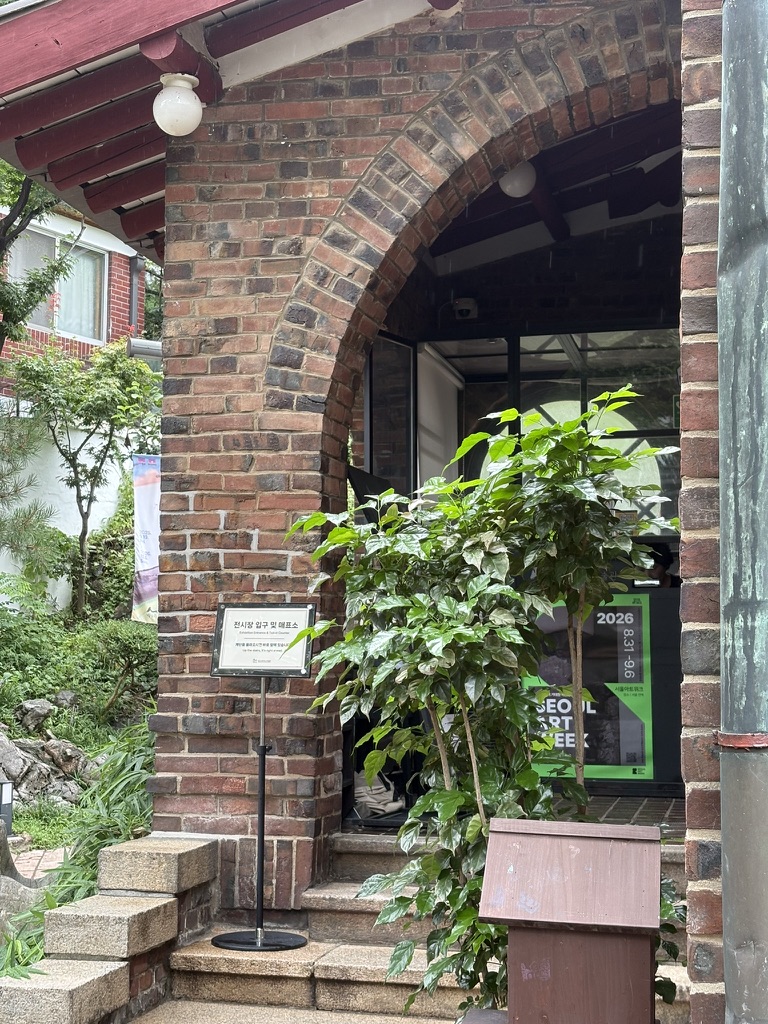
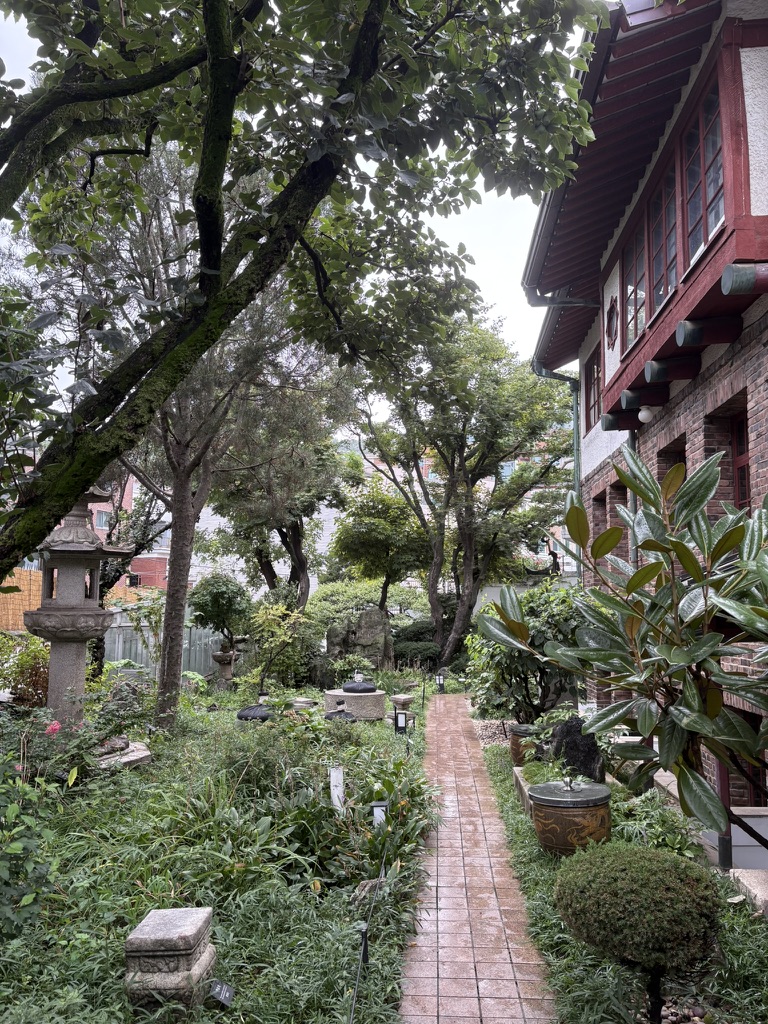
It was time to head to Suseongdong Valley. On the way, I came across the site of Yun Dong-ju’s boarding house.
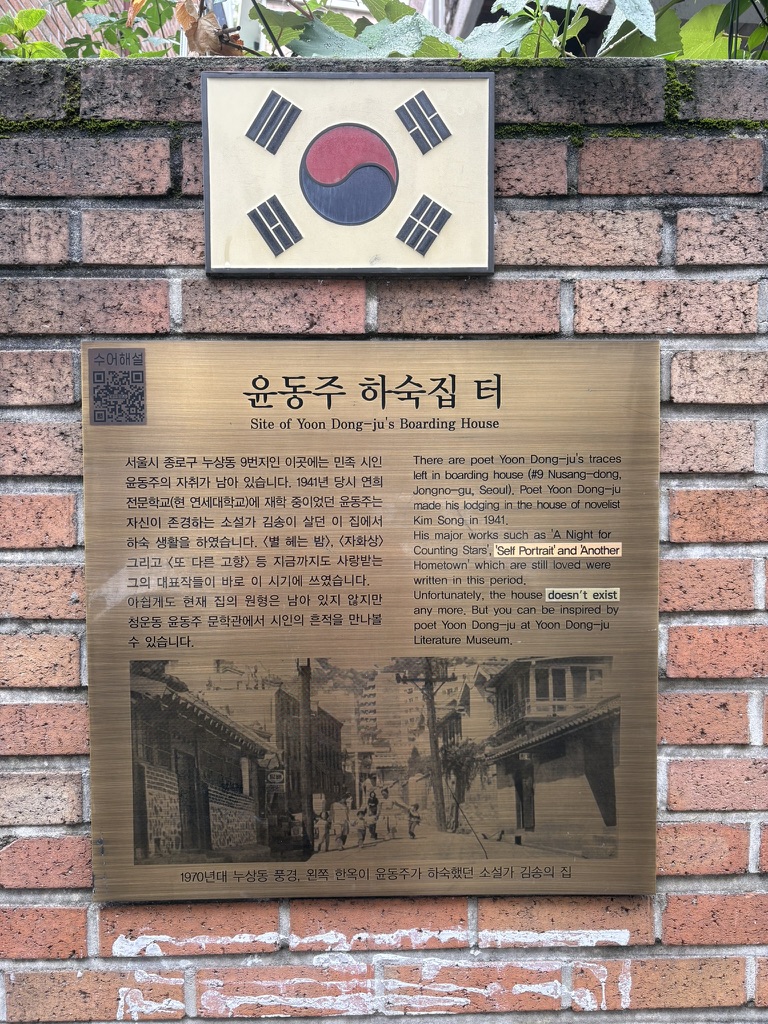
A villa now stands on the site, with only a small sign at the entrance indicating that this was once Yun Dong-ju’s boarding house.
After looking into the story behind the sign, I learned that in 1941, poet Yun Dong-ju and his junior, Jeong Byeong-uk, left the dormitory at Yeonhui College (now Yonsei University) and happened to stay at the home of novelist Kim Song while looking for somewhere to live.
The two would walk along the paths of Inwangsan and exchange literary inspiration in the evenings. While staying here, Yun Dong-ju wrote some of his best-known works, including Foreword, A Night of Counting the Stars, and Self-Portrait.
After boarding here for about four months, he left to study in Japan. Before leaving Korea, he gathered his poems into a collection. He kept one copy for himself, gave another to his junior Jeong Byeong-uk, and gave the last one to his professor and mentor Lee Yang-ha.
He died just a few months before Korea was liberated from Japanese colonial rule, and the manuscript he had given to Jeong Byeong-uk was eventually published under the title Heaven, Wind, Stars, and Poetry.
Yun Dong-ju had originally planned to publish the collection under the title Hospital, but he was unable to do so after people around him discouraged him from publishing it. Later, the publisher, his family, and his friends selected the central themes of his poetry and gave the collection its new title.
As you continue climbing the hill, you eventually reach Inwangsan and Suseongdong Valley.
Suseongdong Valley on Inwangsan is said to have gotten its name from the clear, lively sound of its flowing water. It was also depicted in Album of the Eight Scenic Views of Jangdong by Jeong Seon, one of the most famous painters of the Joseon Dynasty.
The landscape was damaged when apartment buildings were constructed here in the 1970s. In 2008, the Seoul Metropolitan Government demolished the apartments and carried out a restoration project to recreate the area’s historic appearance.
Unfortunately, there wasn’t any water flowing through the valley when I visited, so I couldn’t hear the sound that gave the place its name. Still, it was hard to imagine a better place to simply enjoy the atmosphere of the forest.
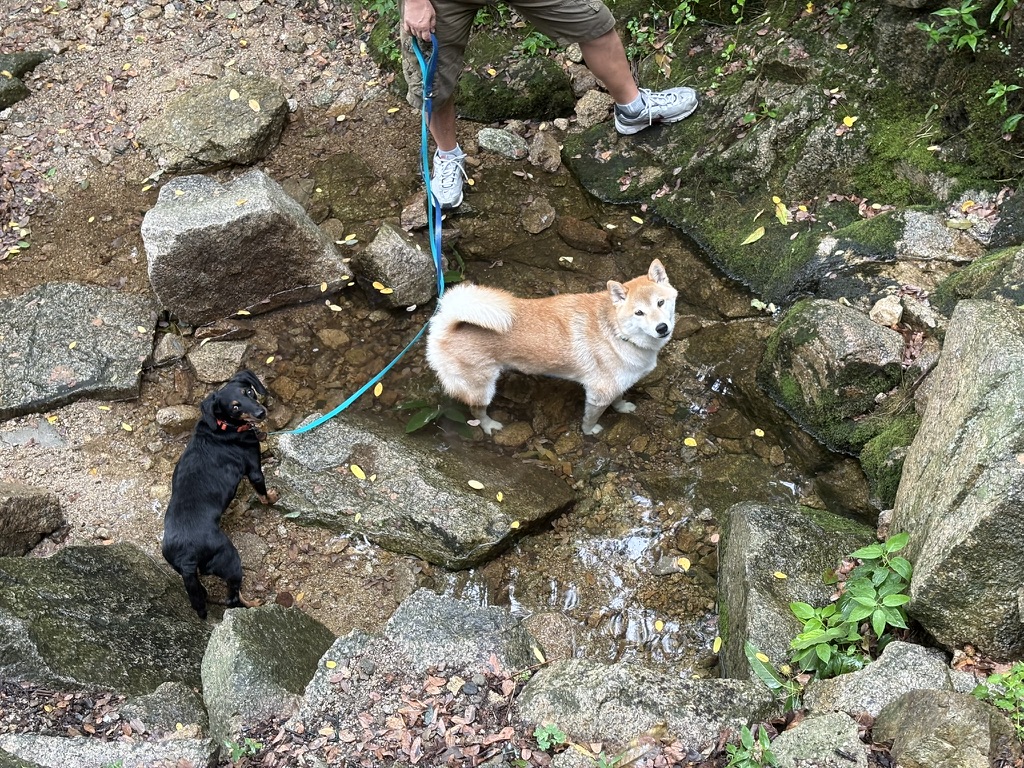
A little farther up the trail, I reached the Inwangsan foothills path and saw two dogs happily cooling their paws in the water. They looked adorable.

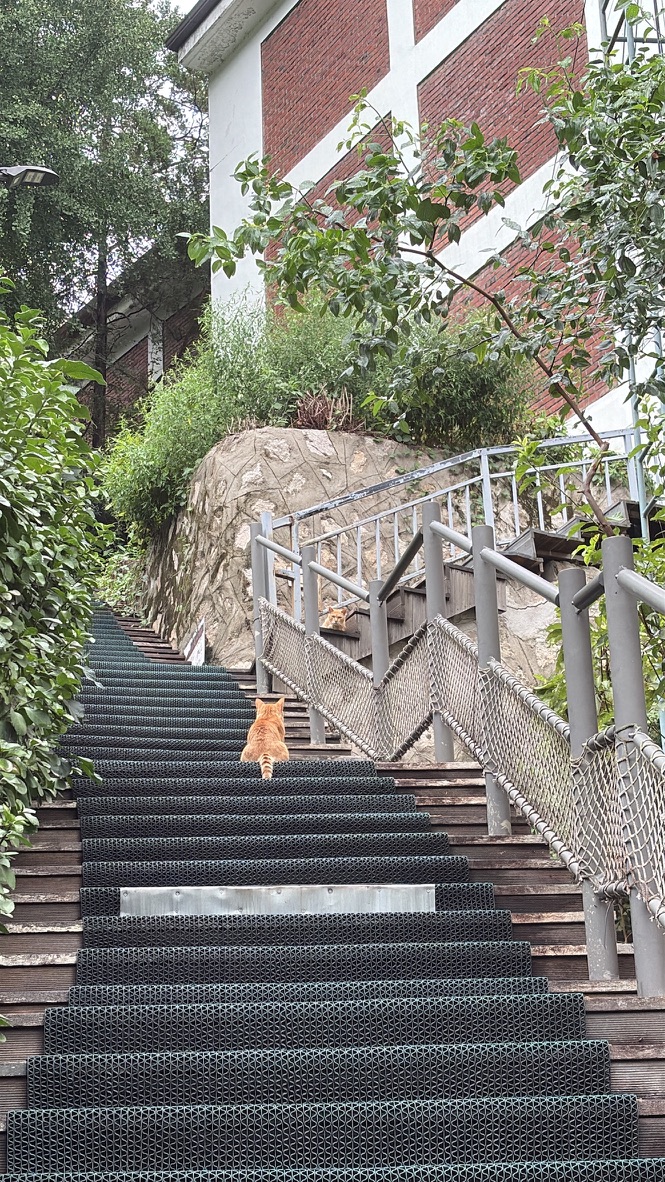
I came across a few cats on the way up to Haemaji Hill.
There are several cats living around Suseongdong Valley on Inwangsan. Most of the cats I encountered, however, seemed wary of people.
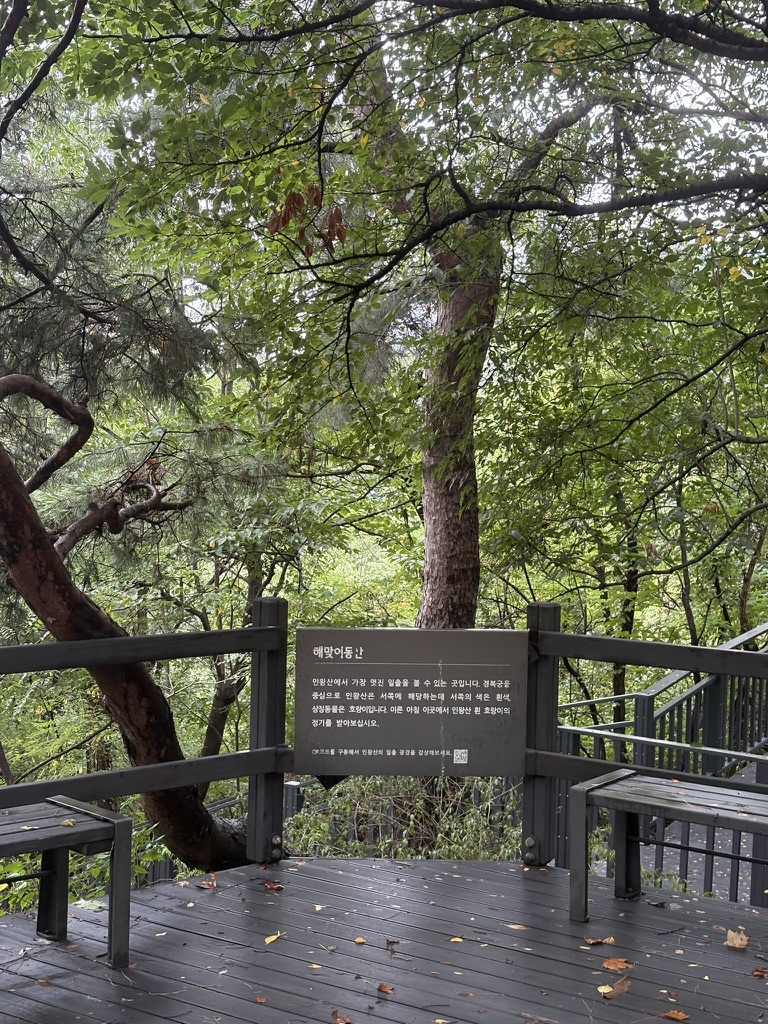
Haemaji Hill is said to offer one of the best sunrise views on Inwangsan.
Since it was midsummer, the place was completely surrounded by trees, so I wondered whether I’d actually be able to see the sunrise from here.
I’ll have to come back someday and watch the sun rise.
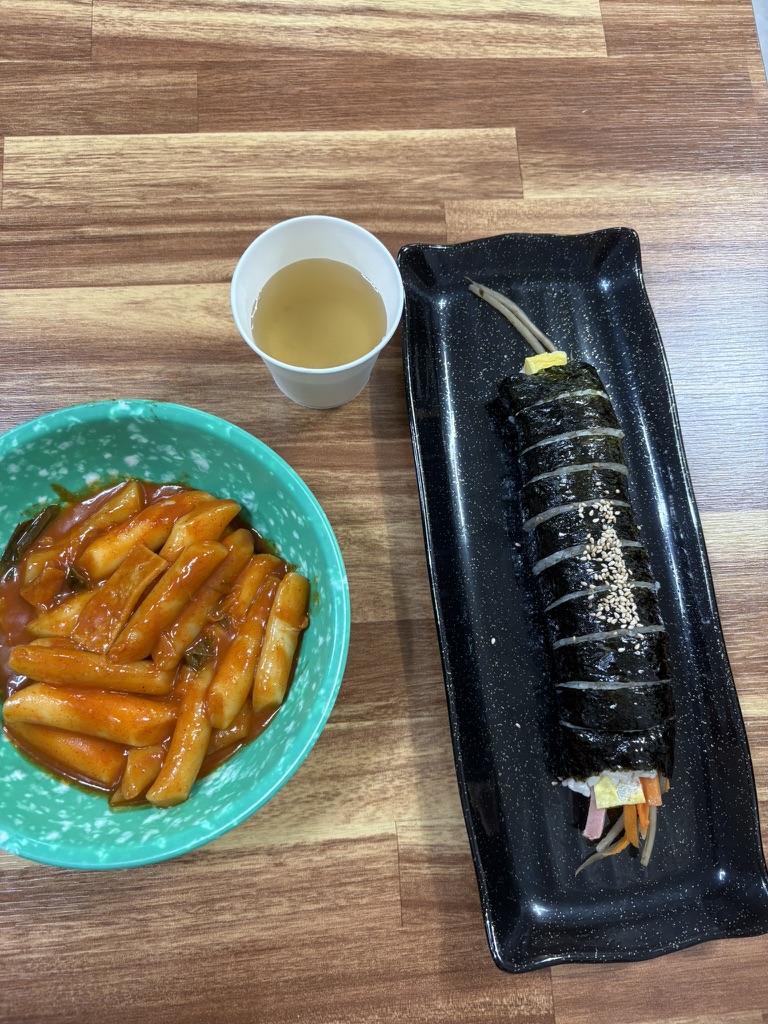
After coming down from Haemaji Hill, I headed to Tongin Market. As far as I knew, the market was famous for its oil-fried tteokbokki.
I’d tried it once before, but it wasn’t really to my taste, so instead I ordered regular tteokbokki from a snack shop near the entrance to the market’s octagonal pavilion.
Now it was time to cross Jahamun-ro and head east.
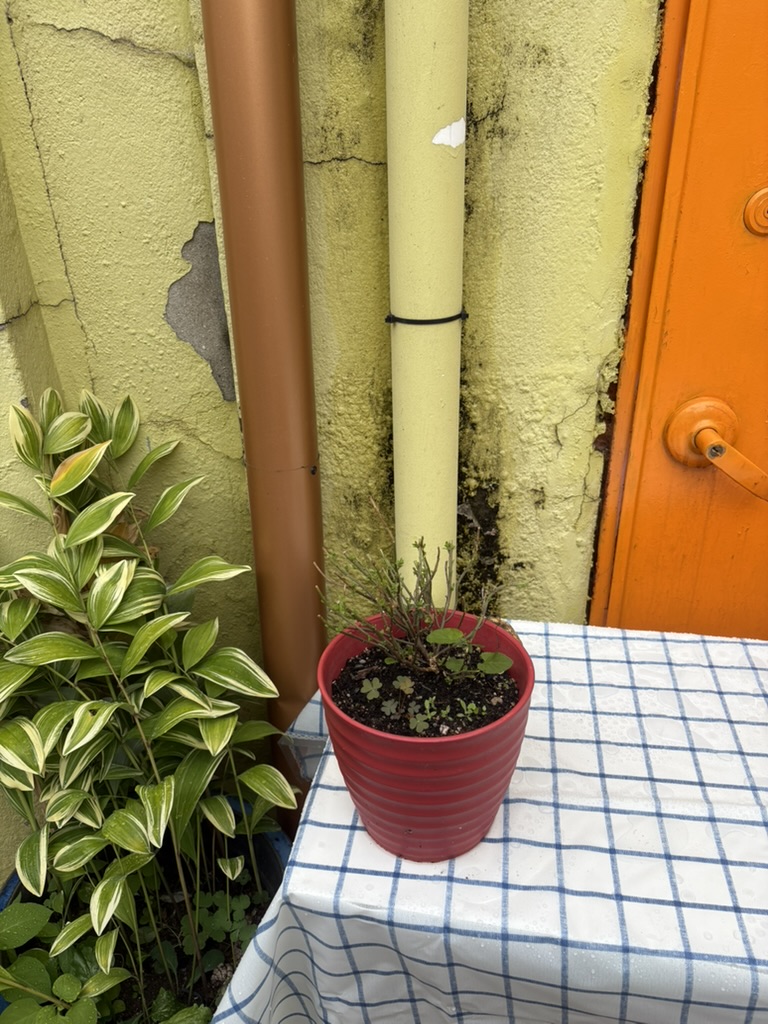
Along one of the alleyways, I found a wall painted yellow, an orange door, and some pretty flowerpots and tablecloths.
East of Jahamun-ro
The first stop east of Jahamun-ro was Boan Inn in Tongui-dong.
It had operated as an inn since the 1940s, but has since been transformed into a cultural complex with exhibition spaces, a café, and more.
Unfortunately, it was temporarily closed while preparing for an exhibition.

As it turned out, my final destination, Daelim Museum, was also closed that day, so I couldn’t go inside either Boan Inn or Daelim Museum.
As a consolation, before heading to Starbucks Jeokseon, I took a photo of a small entrance to the National Palace Museum of Korea inside Gyeongbokgung Palace.
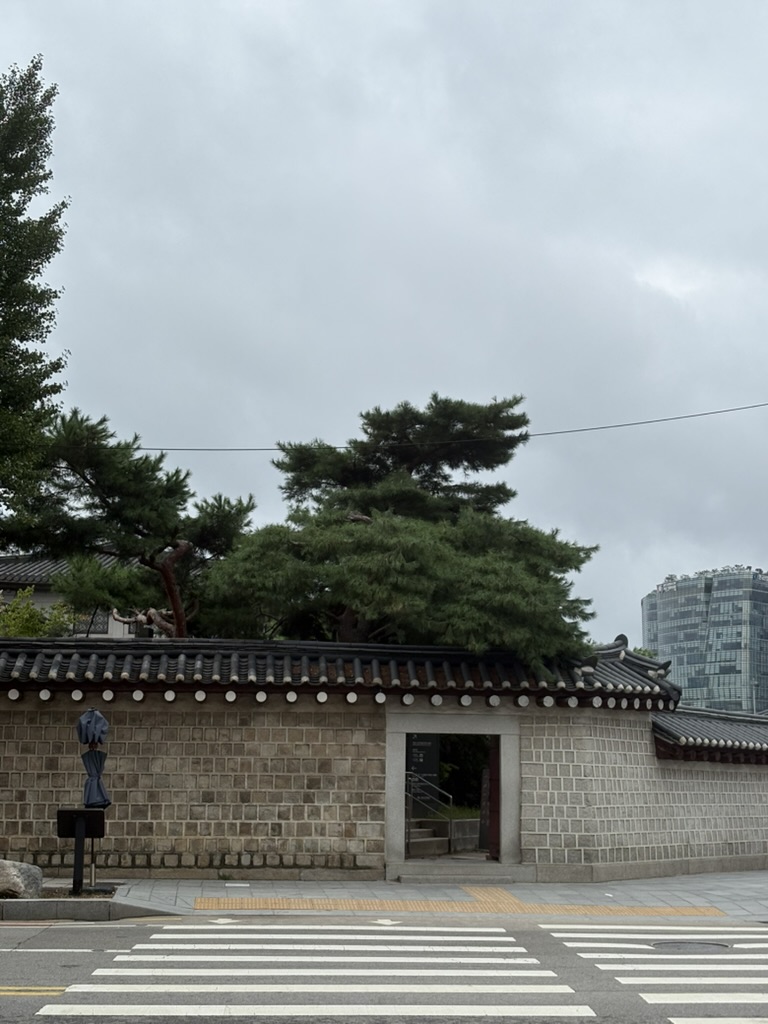
Most of the seating at Starbucks Jeokseon is suitable for working, and there are plenty of seats compared to the other Starbucks locations along Sejong-daero. I guess that’s because it was the weekend and there weren’t many office workers from the surrounding area.
In the End
For my first walk, I wanted to visit one of the most central and historically important parts of Seoul. I debated between Bukchon and Seochon, the two neighborhoods on either side of Gyeongbokgung Palace, and eventually chose Seochon since I’d been there relatively few times.
I had expected it to feel a little less interesting than Bukchon, with places like the National Museum of Modern and Contemporary Art and Jeongdok Library, but after walking around and seeing Seochon’s historical value for myself, the neighborhood felt quite different from what I had imagined.
The view of Inwangsan from Suseongdong Valley was especially impressive. I could understand why Jeong Seon chose to paint this place.
There is still a lot left to see. Places I couldn’t visit today, as well as Poet’s Hill, the Yun Dong-ju Literature Museum, Cheongun Literature Library, the smaller alleyways, and the busy local restaurants and shops.
I also came across a restaurant I’d like to try while wandering around. I’ll have to stop by on my next visit.