Table of Contents
- Sohn Kee-chung Memorial Hall and Library
- Yoonseul
- Yakhyeon Catholic Church in Jungnim-dong
- Jungnim Warehouse
- Seosomun Shrine History Park and Museum
- In the End
Today, I take a short walk around Seosomun, Jungnim-dong, and Chungjeongno.
Seosomun is a neighborhood close to Seodaemun-gu, located between City Hall and Sungnyemun Gate. During the Joseon Dynasty, it was also known as Souimun, as it was located to the southwest among the four smaller gates of Hanyangdoseong, the city wall of Hanyang.
The gate was demolished by the Japanese colonial government in 1914, so there is no gate left today. Only a small monument marking the site of Souimun remains.
Walking route: Sohn Kee-chung Memorial Hall -> Yoonseul -> Yakhyeon Catholic Church -> Jungnim Warehouse -> Seosomun Shrine History Park/Museum
Music for the walk: Tinashe’s Popstar (Spotify Apple Music YouTube)
Sohn Kee-chung Memorial Hall and Library
Taking a Line 2 train toward the inner loop from Sillim Station takes me directly to Chungjeongno Station.
I head up the hill from Exit 5.
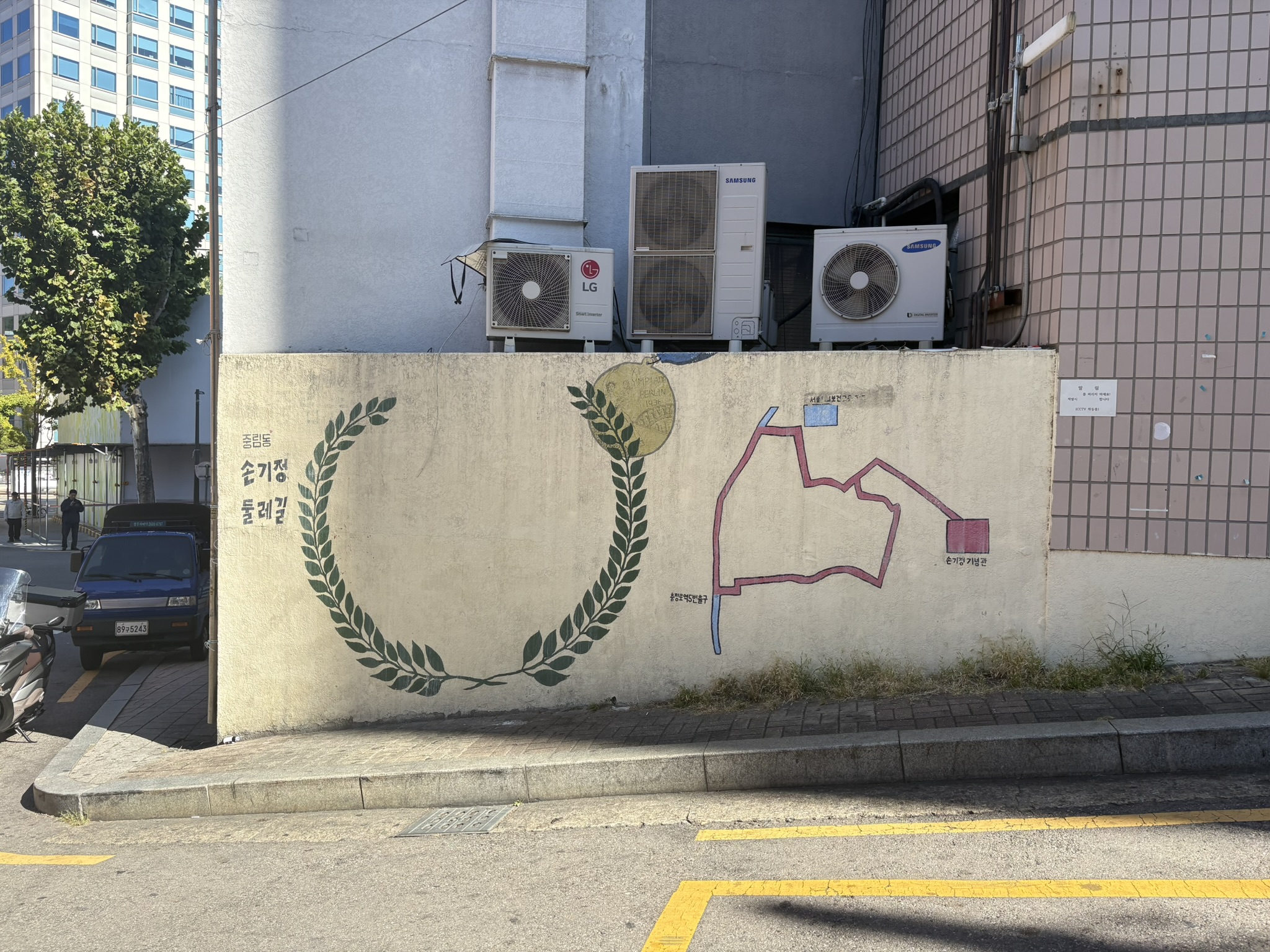
Along the way, I saw murals commemorating Sohn Kee-chung’s gold medal in the marathon at the 1936 Berlin Olympics.
I learned for the first time from one of the murals that Sohn Kee-chung’s teammate, Nam Sung-yong, won the bronze medal at the same Olympics.
The murals looked a little worn and torn, so it seemed like quite some time had passed since they were painted.
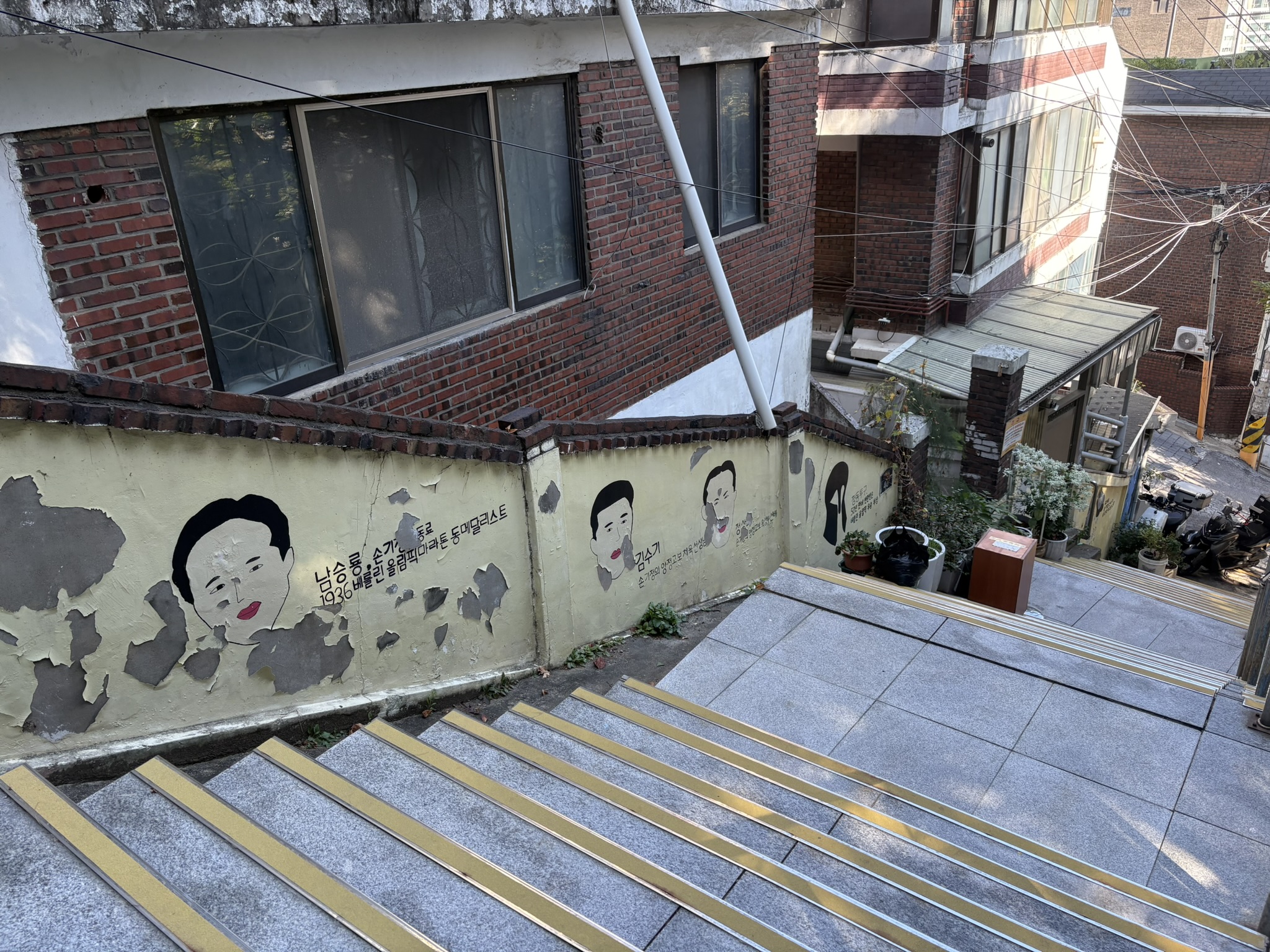
Walking up the steep hill left me out of breath. The slope is pretty steep, almost as steep as the hills in Bongcheon-dong.
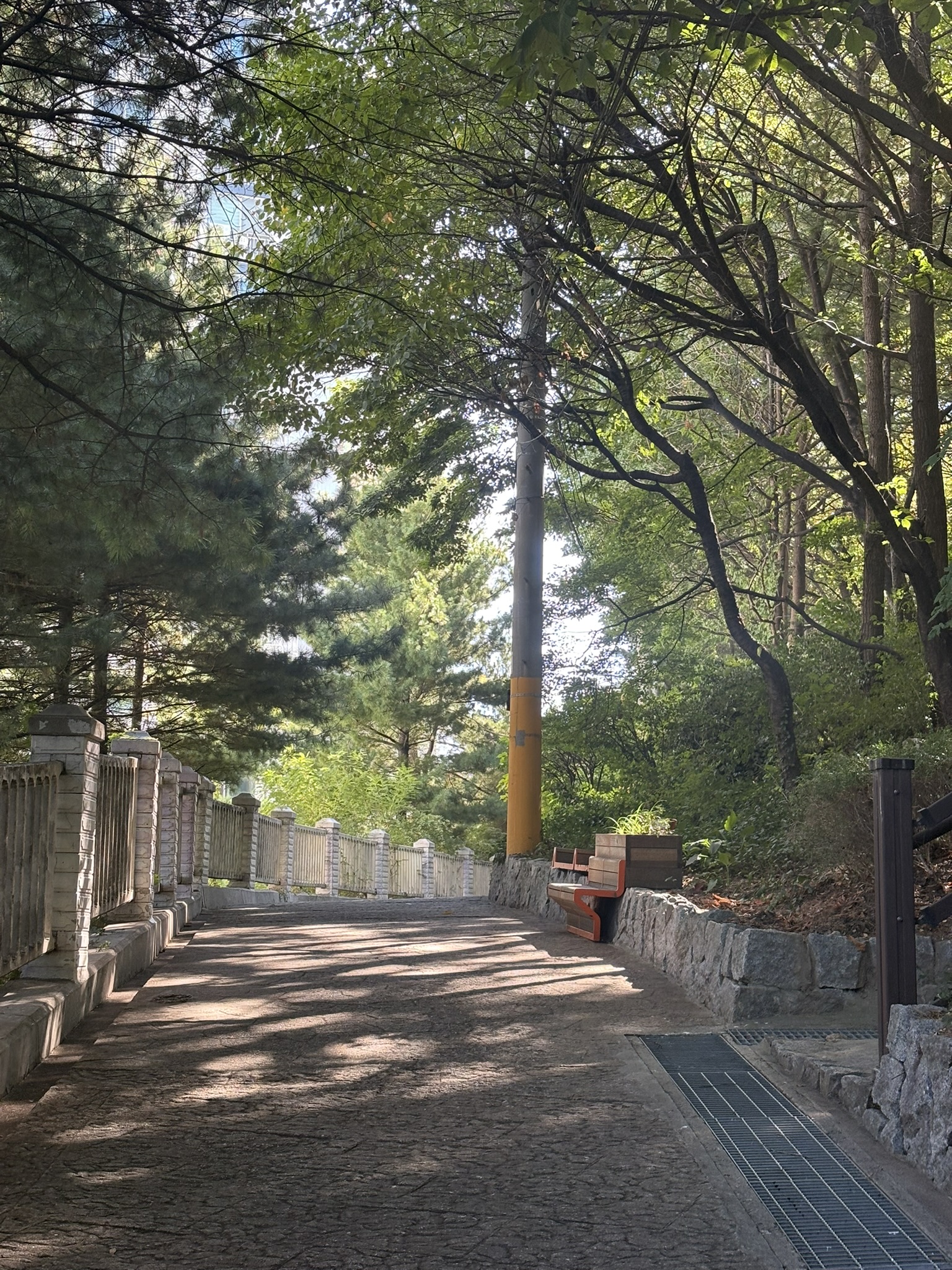
There is an apartment complex nearby where a Jung-gu bus stops, and once you pass it, a walking trail appears.
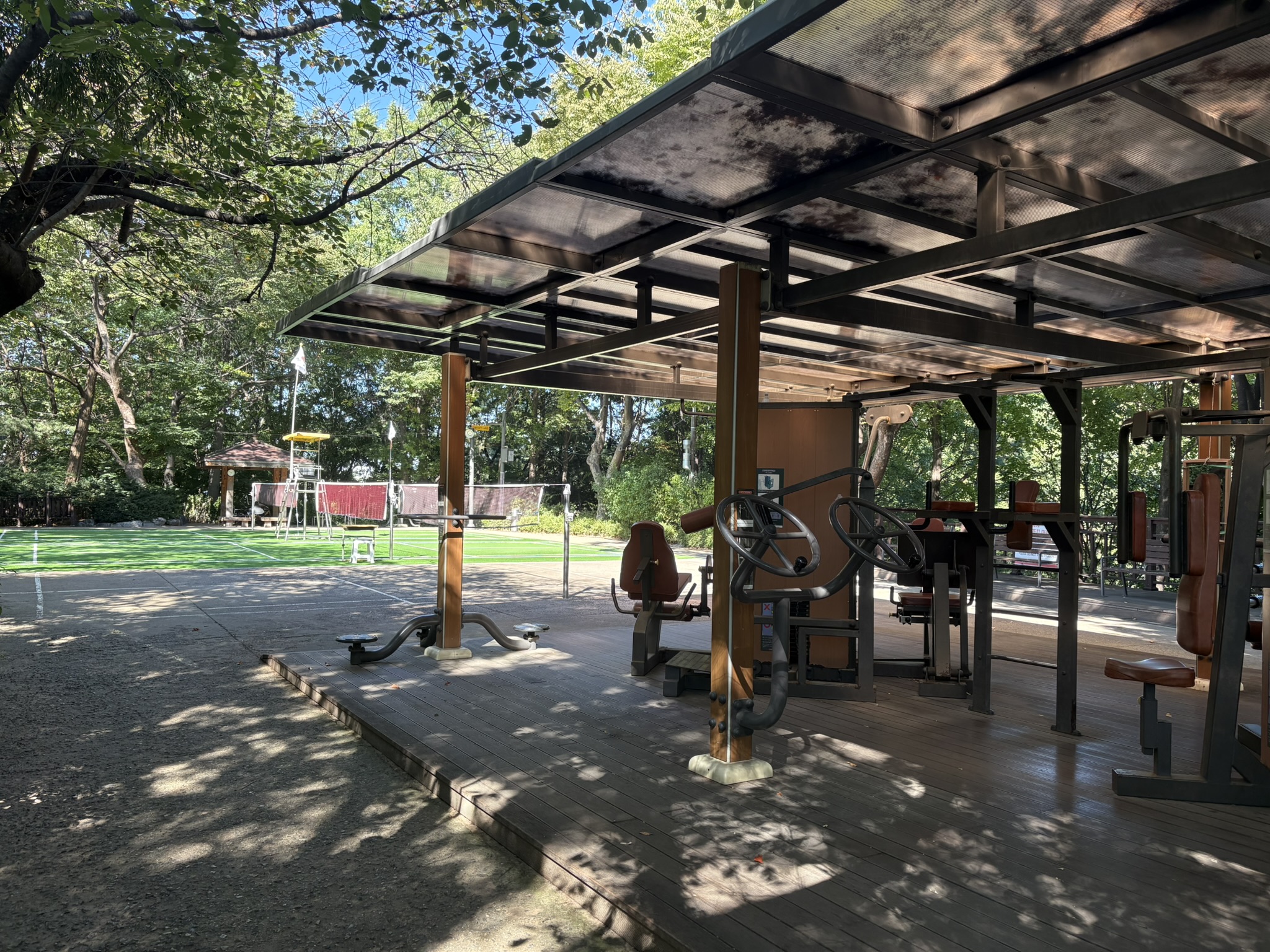
It’s a nice trail for a walk. There are also outdoor exercise equipment and a badminton court right next to it.
I thought the library would be along this path, but, surprisingly, there was an elementary school.
No wonder the cheerful, energetic voices of children were so loud for a place that was supposed to have a library.
Fortunately, I guess there are plenty of people who get confused like I did, because there were signs kindly showing the way to Sohn Kee-chung Library.
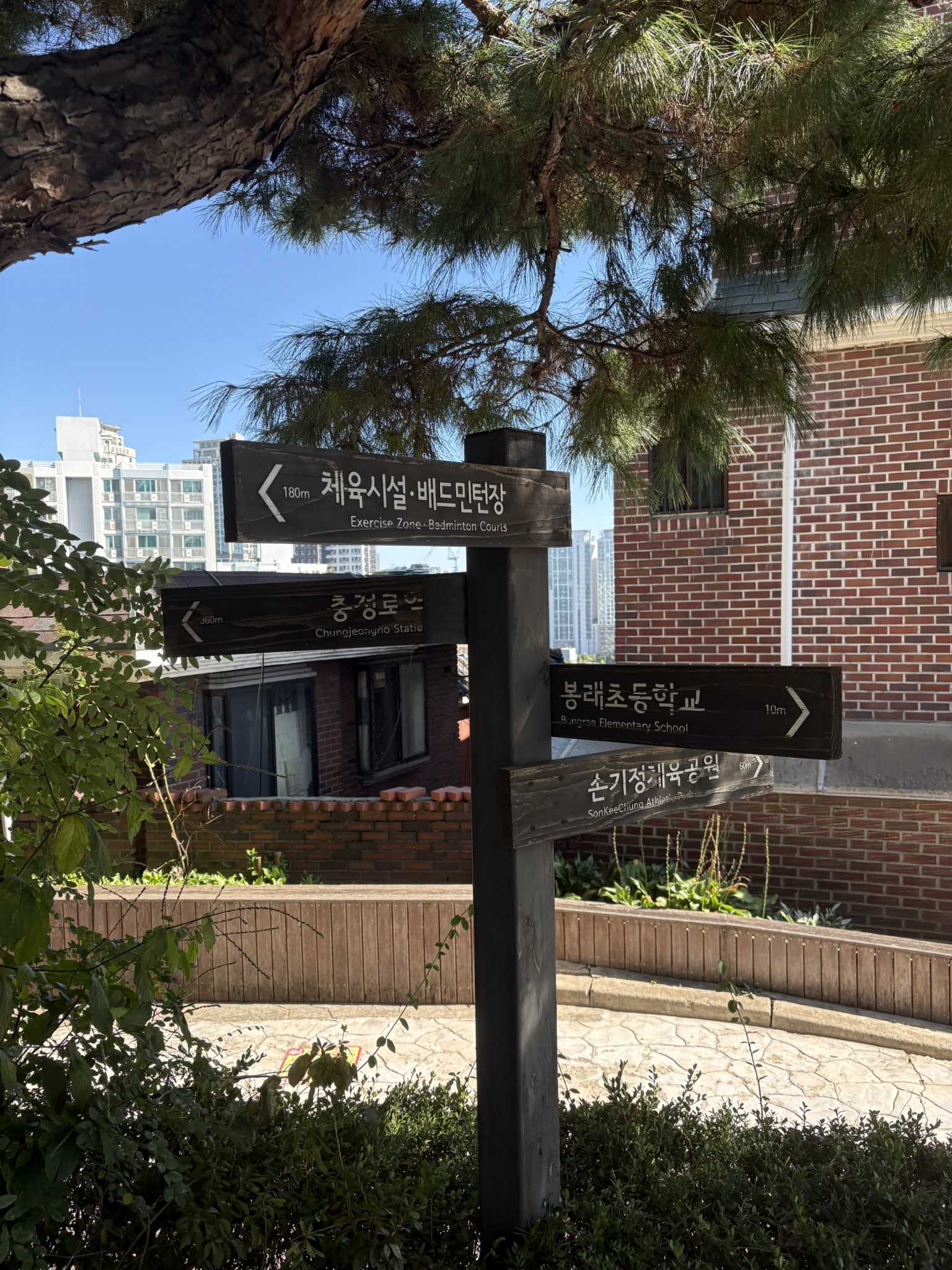
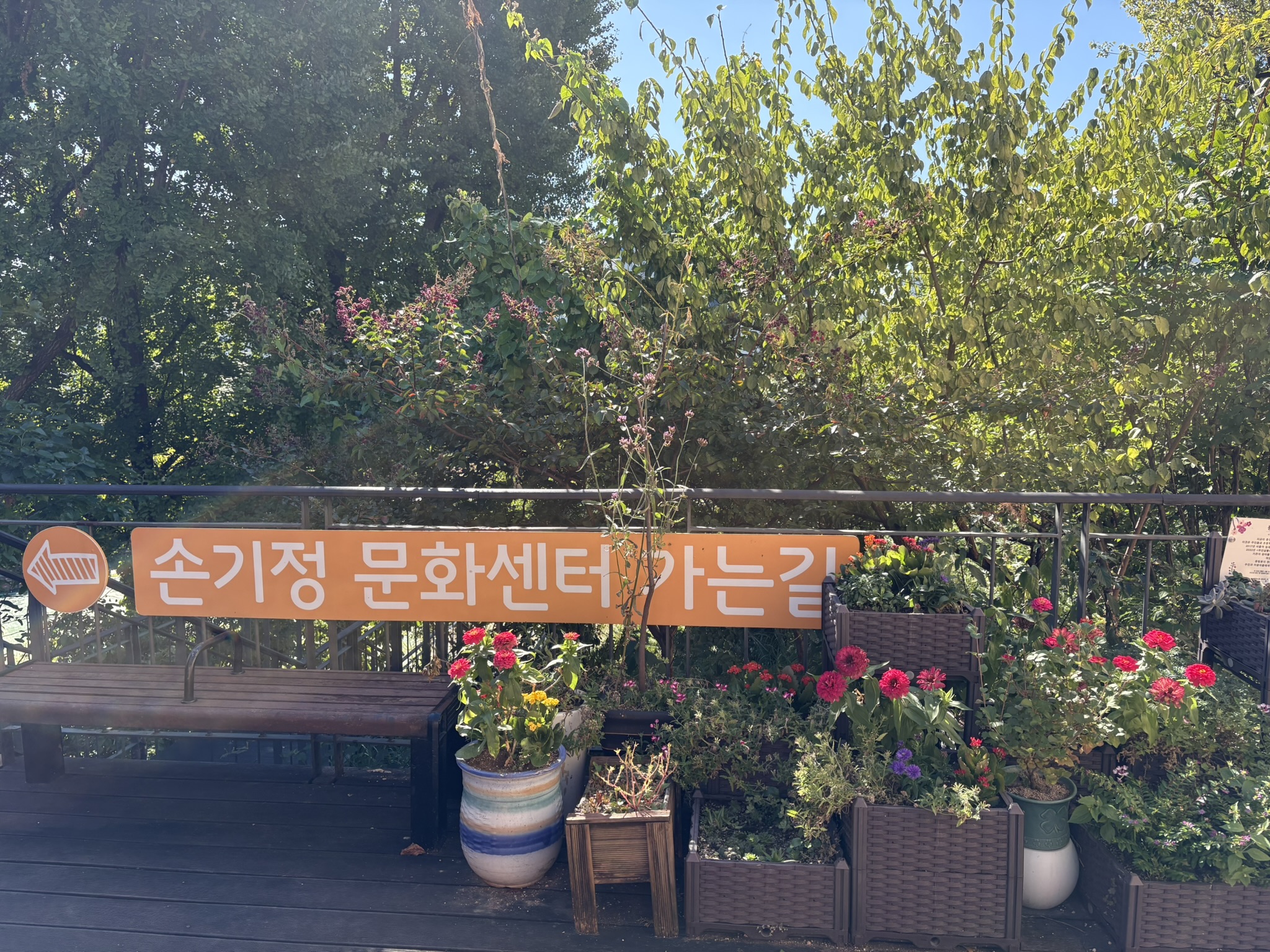
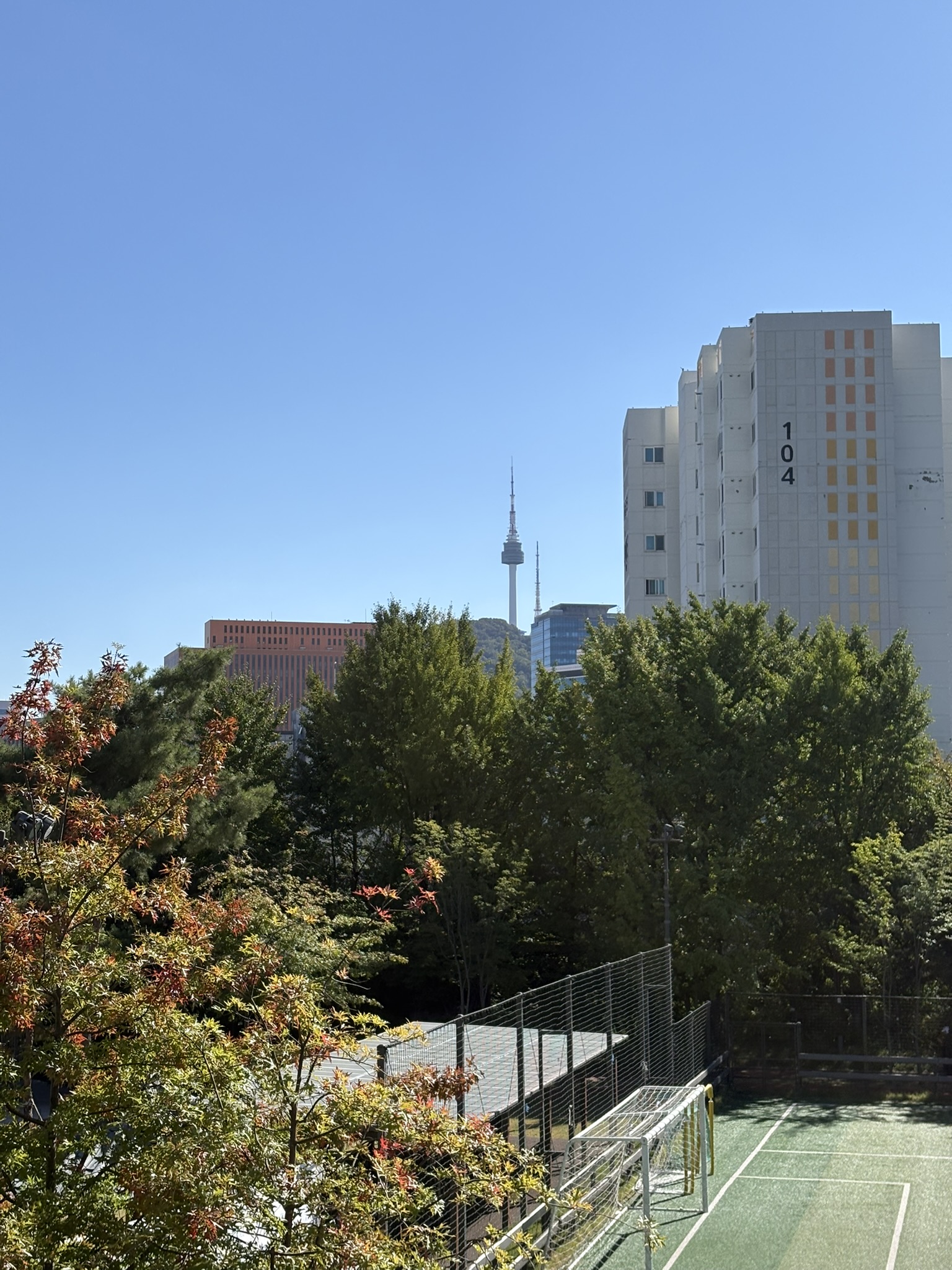
After passing a sign pointing toward the Sohn Kee-chung Cultural Center, I came across a sports field.
I could see a few people jogging lightly.
From here, I could also see Seoul Square in front of Seoul Station and N Seoul Tower.
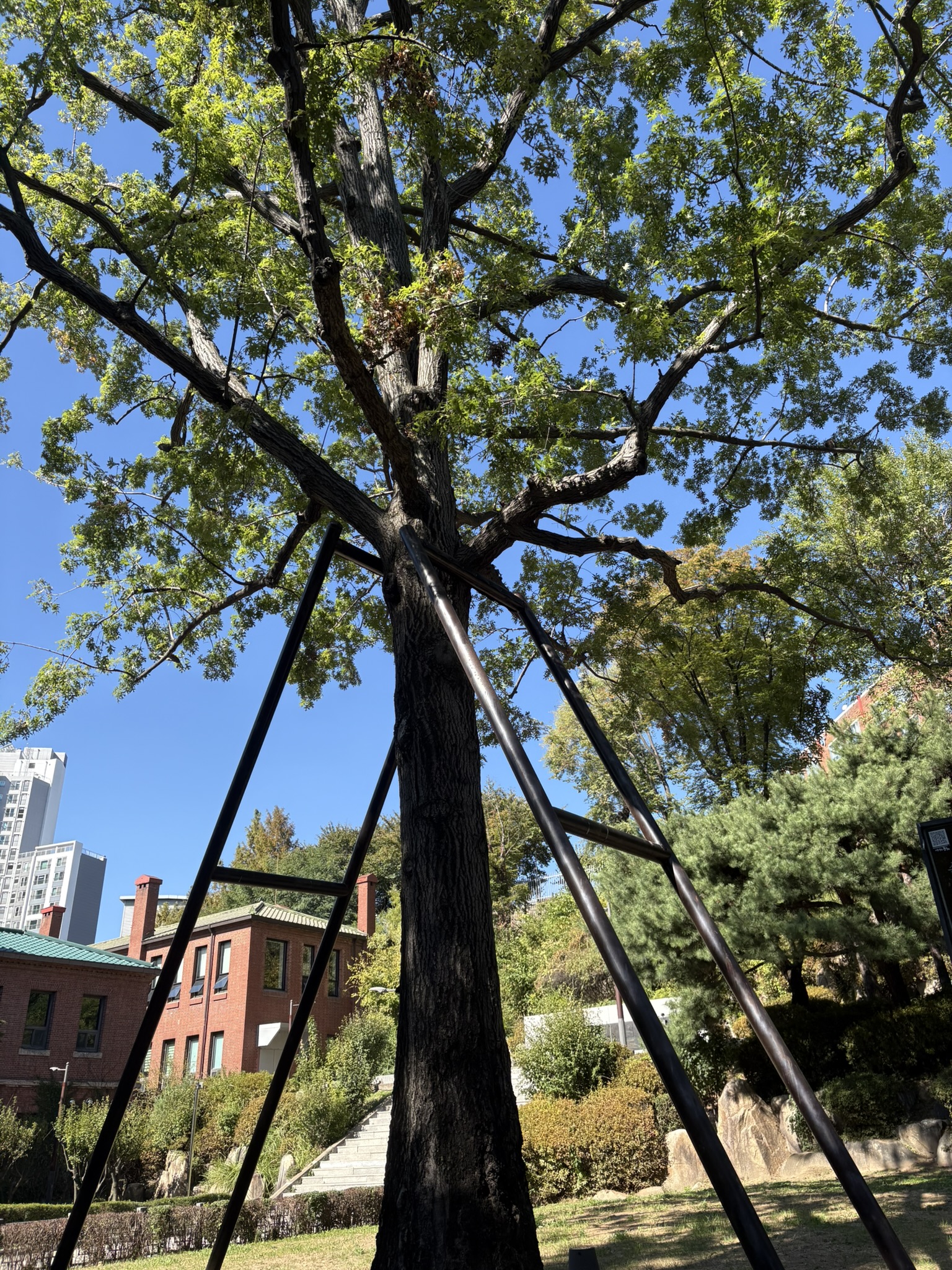
Following the path through the sports park leads to the Sohn Kee-chung Memorial Hall.
A sapling that Sohn Kee-chung planted after receiving it as a prize when he won the gold medal at the Berlin Olympics has grown this much.
When you enter the memorial hall, one of the staff members gives you a fan, a gold medal sticker, and a few snacks.
According to official documents from the International Olympic Committee, Sohn Kee-chung’s nationality is still listed as Japanese. There was a petition to have it changed to South Korean, so I signed it.
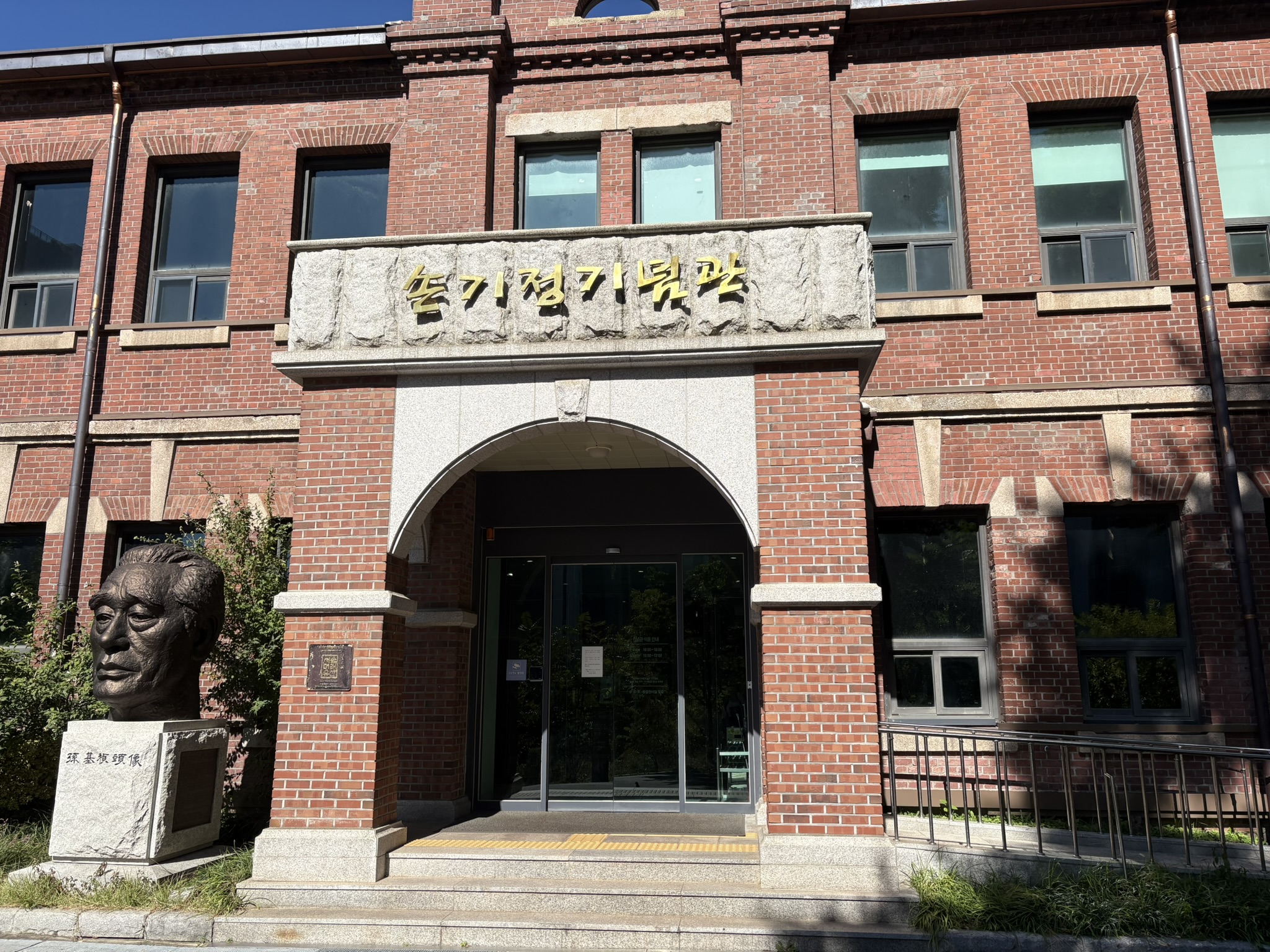
This is the yearbook from Yangjeong High School, which Sohn Kee-chung attended.
It looks like the students may have placed their portrait photos over the locations of their family homes.
It’s a fun way to preserve graduation photos.
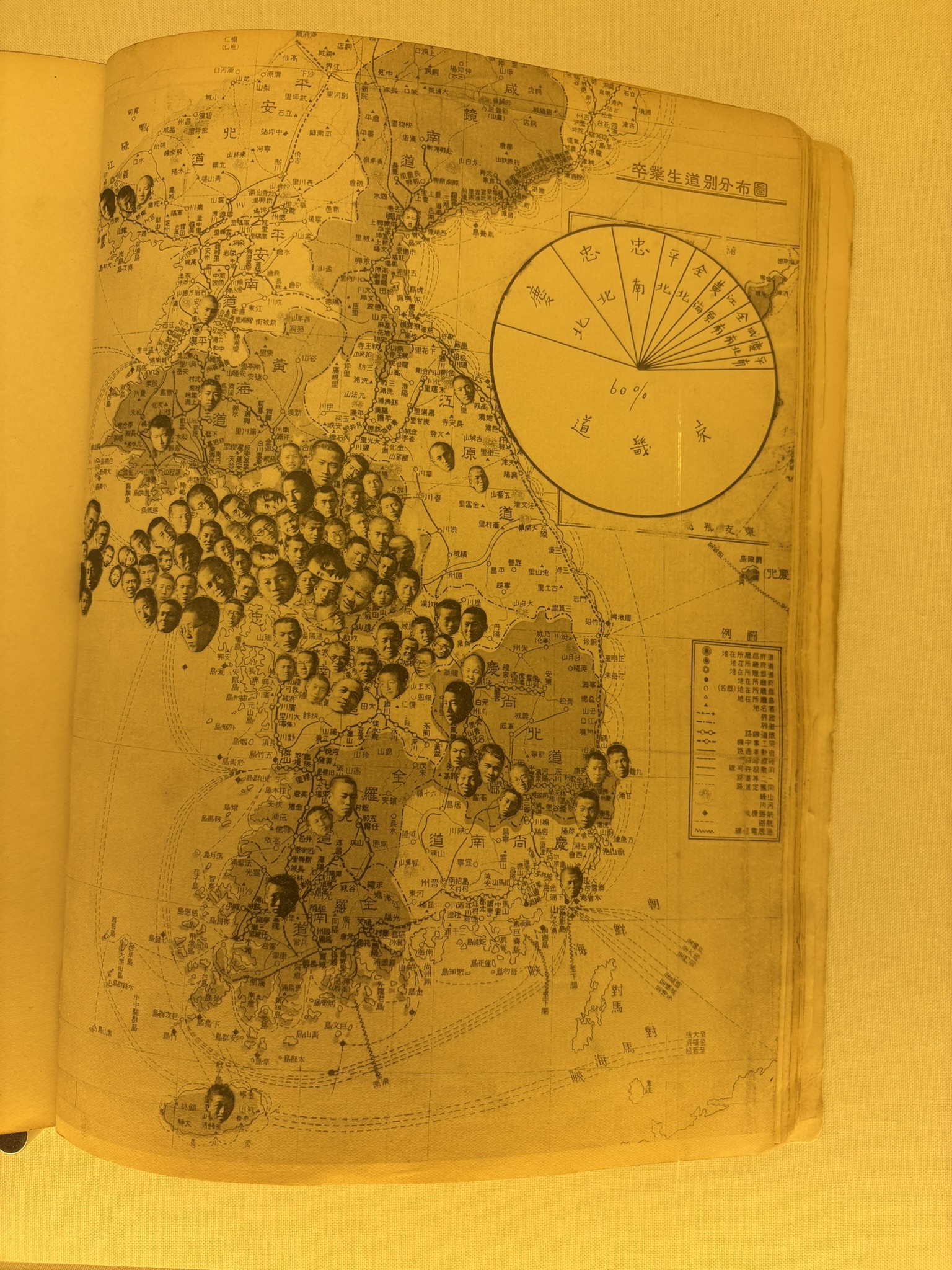
I took a photo of the shoes worn during the 1988 Seoul Olympics because they looked cool.
I want a pair.
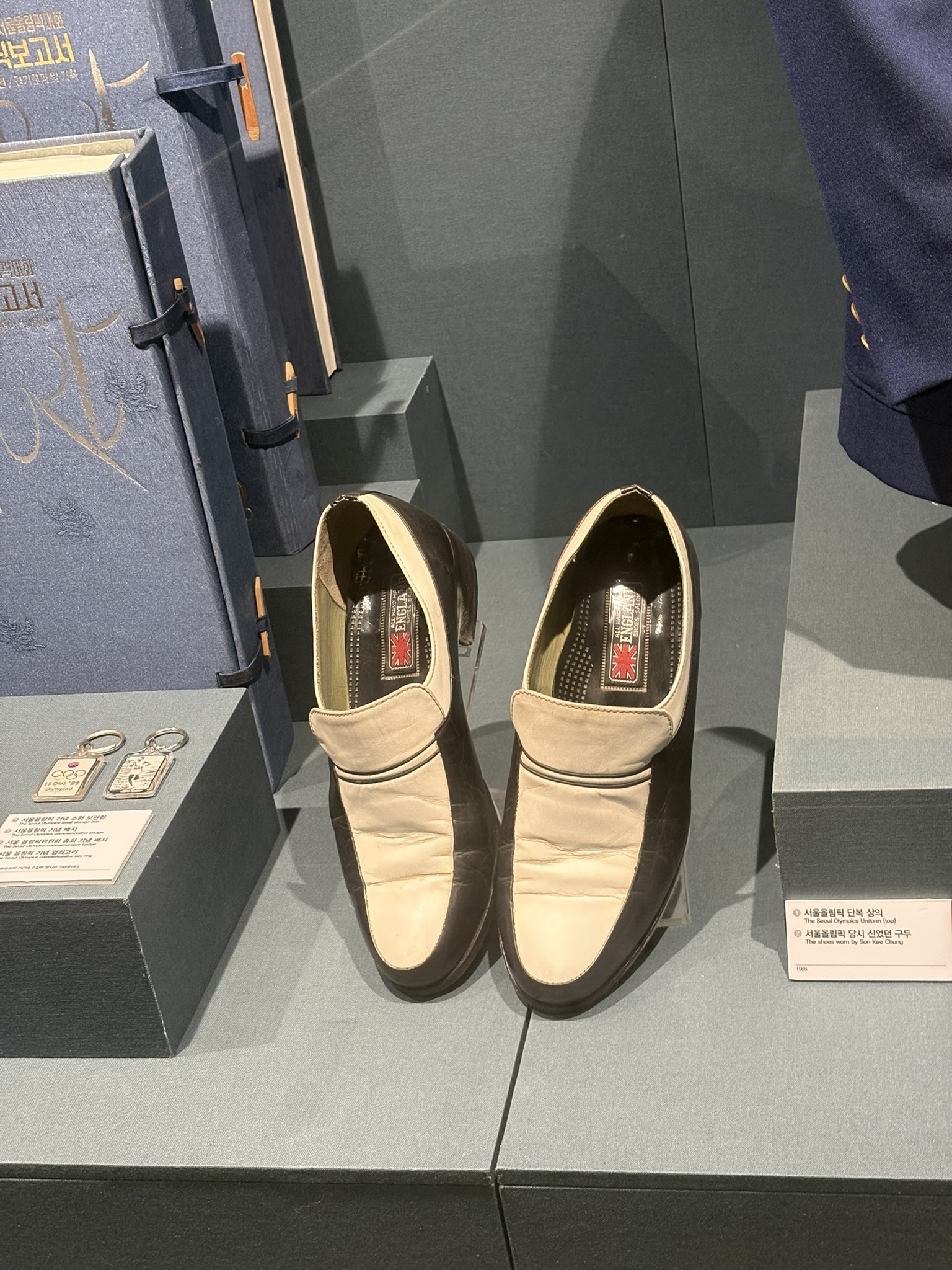
Sohn Kee-chung Library is behind the memorial hall.
After walking up the wooden stairs, there is a path made of red bricks.
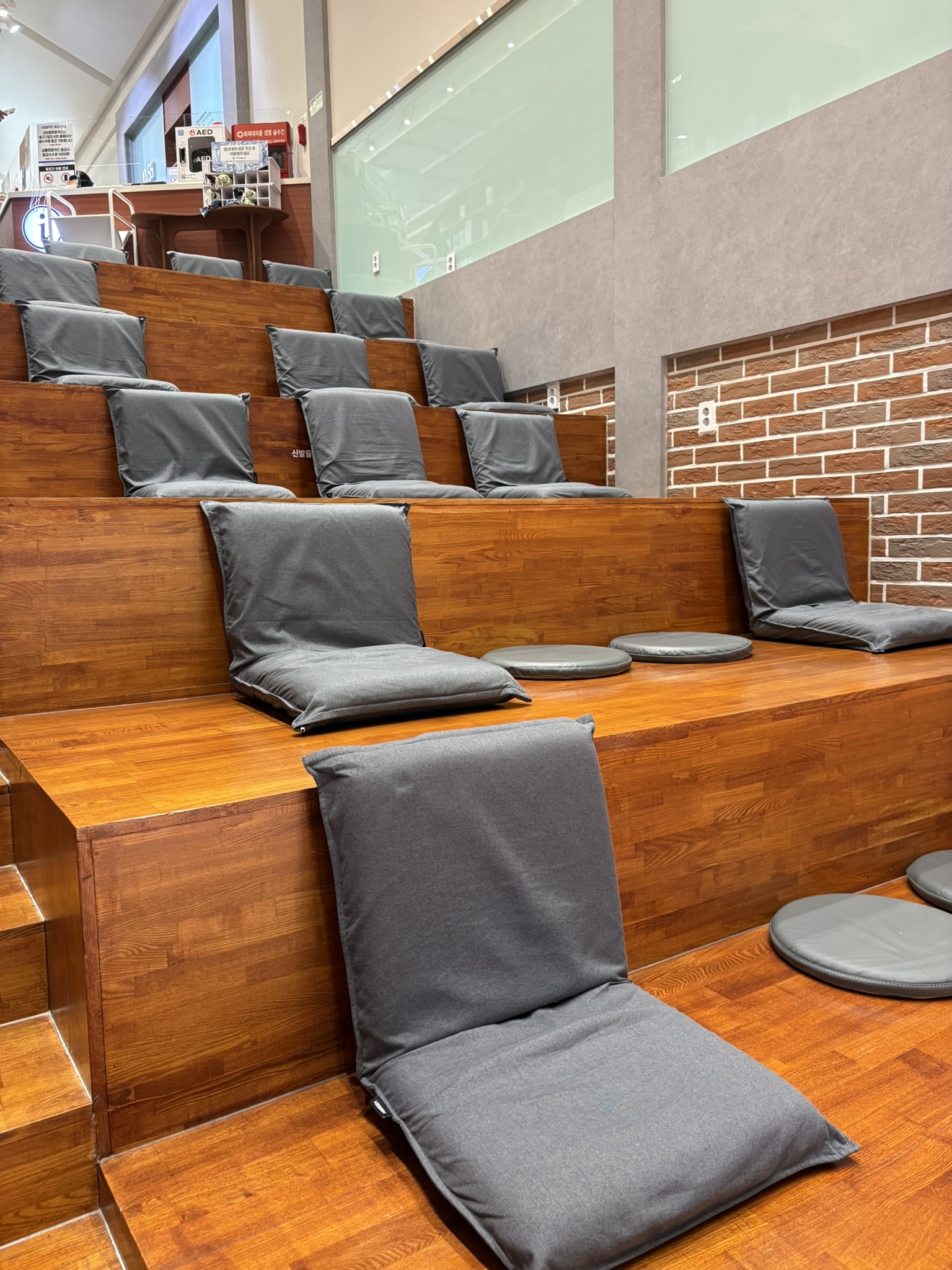
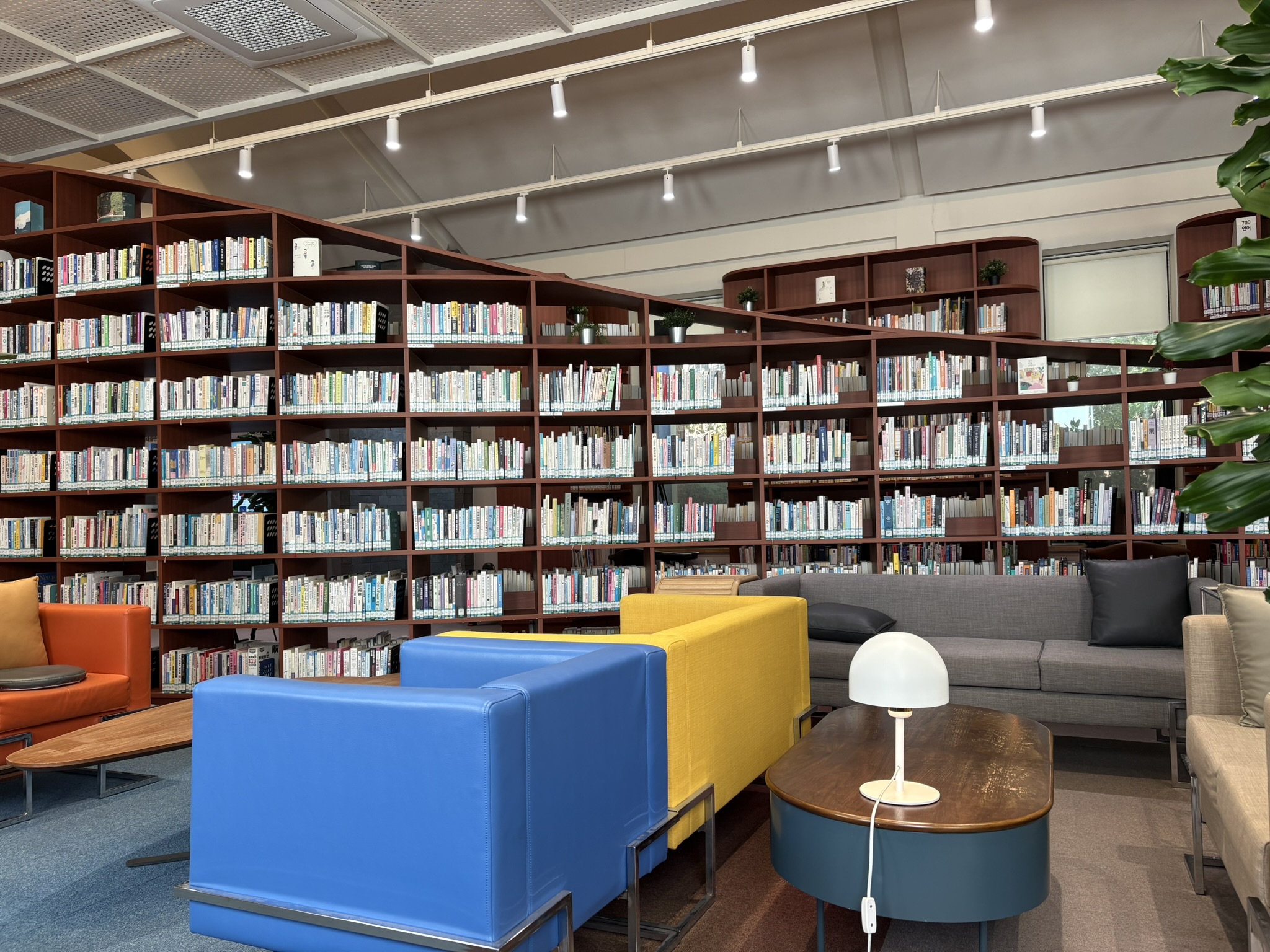
The library has two floors, with a variety of seating options for reading, including floor seating, sofas, and tables.
You can work on a laptop here, but I felt it was better suited for reading.
I sat across from the sofa shown in the photo below and took out The Adventures of Huckleberry Finn, which I had started reading after finishing An Ordinary Life a few days earlier.
I had been meaning to write about a few other books I had read before, but somehow I kept putting it off.
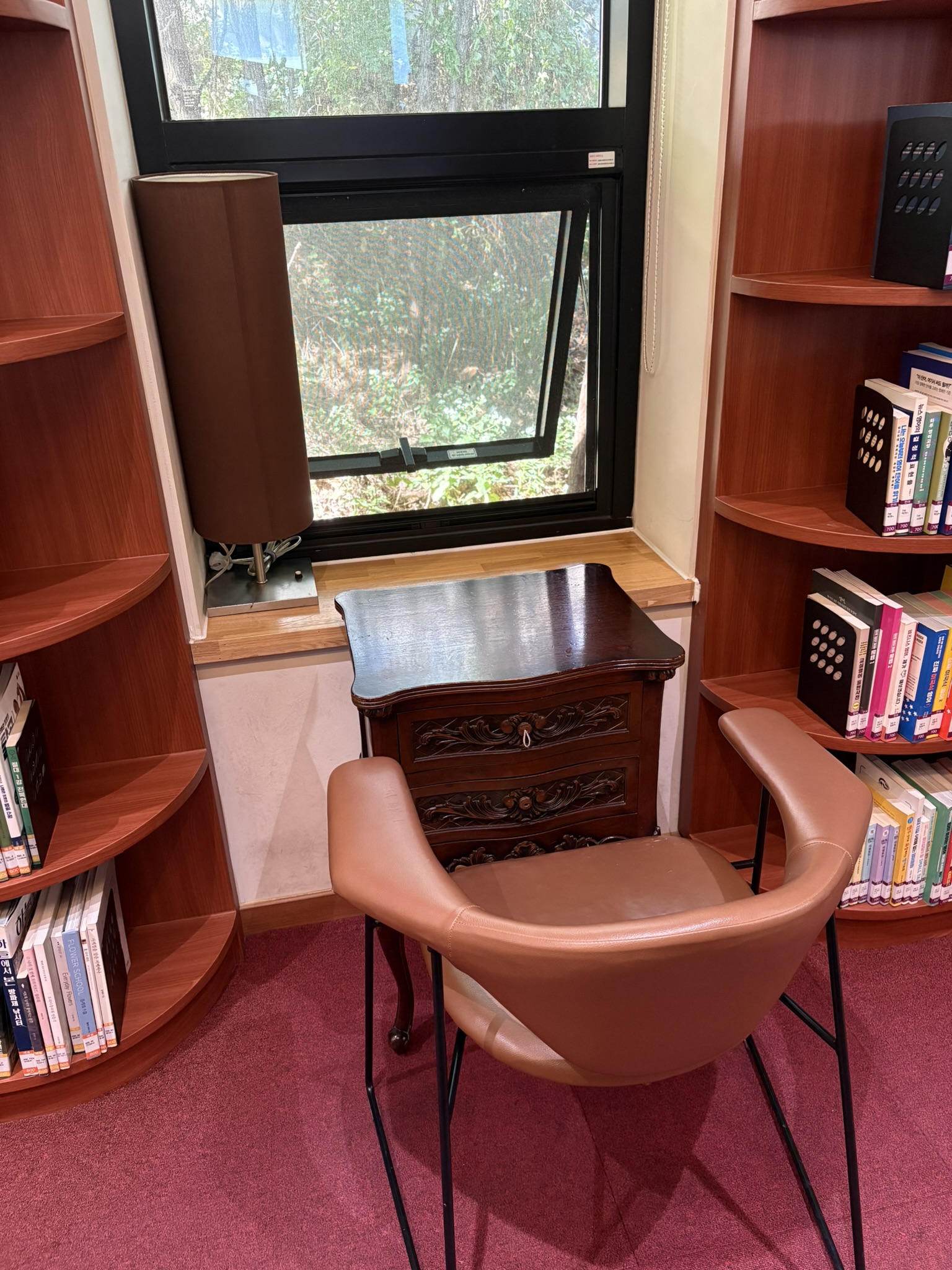
There are also seats by the windows like this.
You can read while looking out at the scenery without worrying about other people.
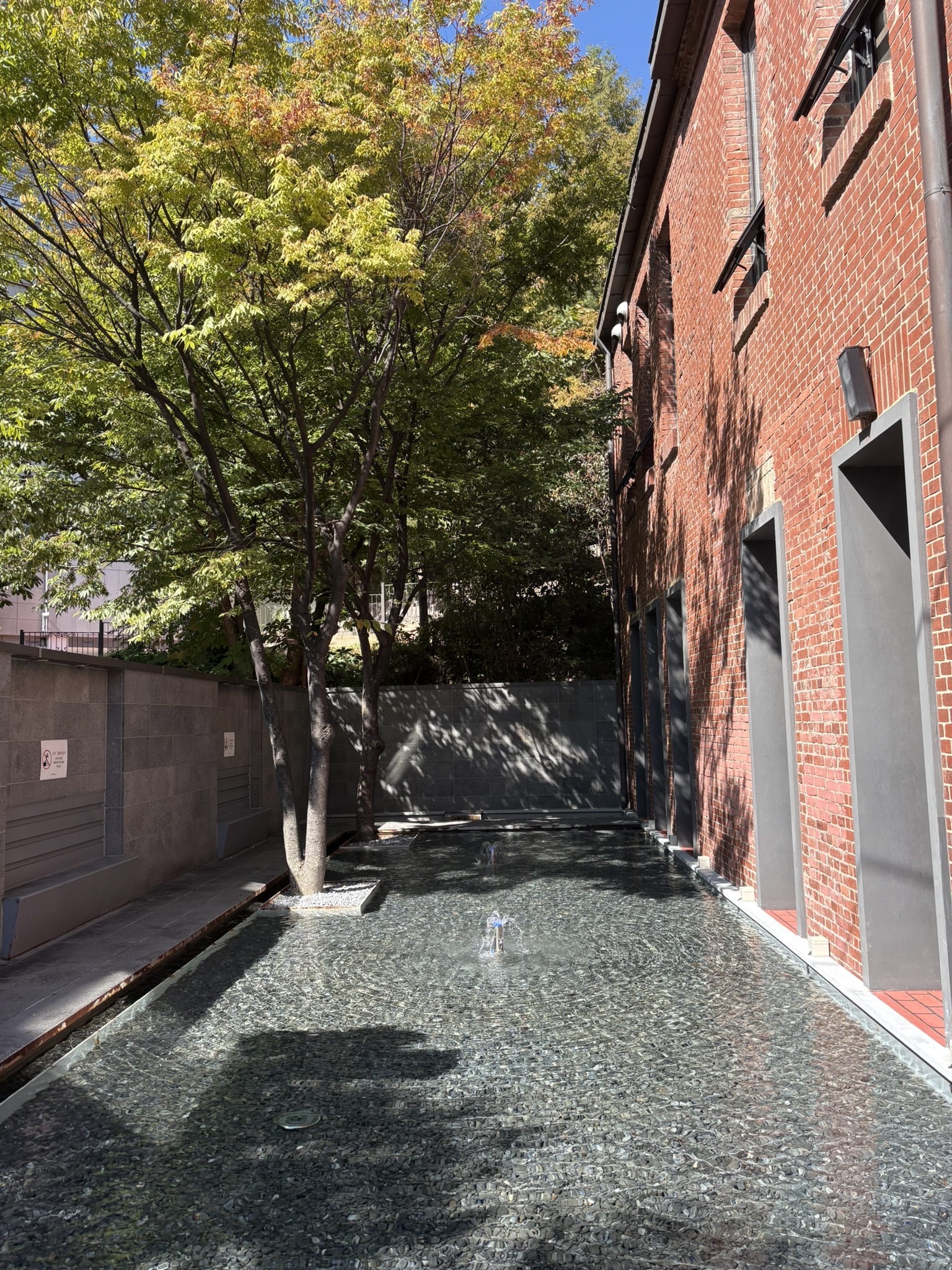
The main entrance to the library is on the opposite side from the path I came up from the memorial hall.
There is a small stream of gently flowing water next to the entrance.
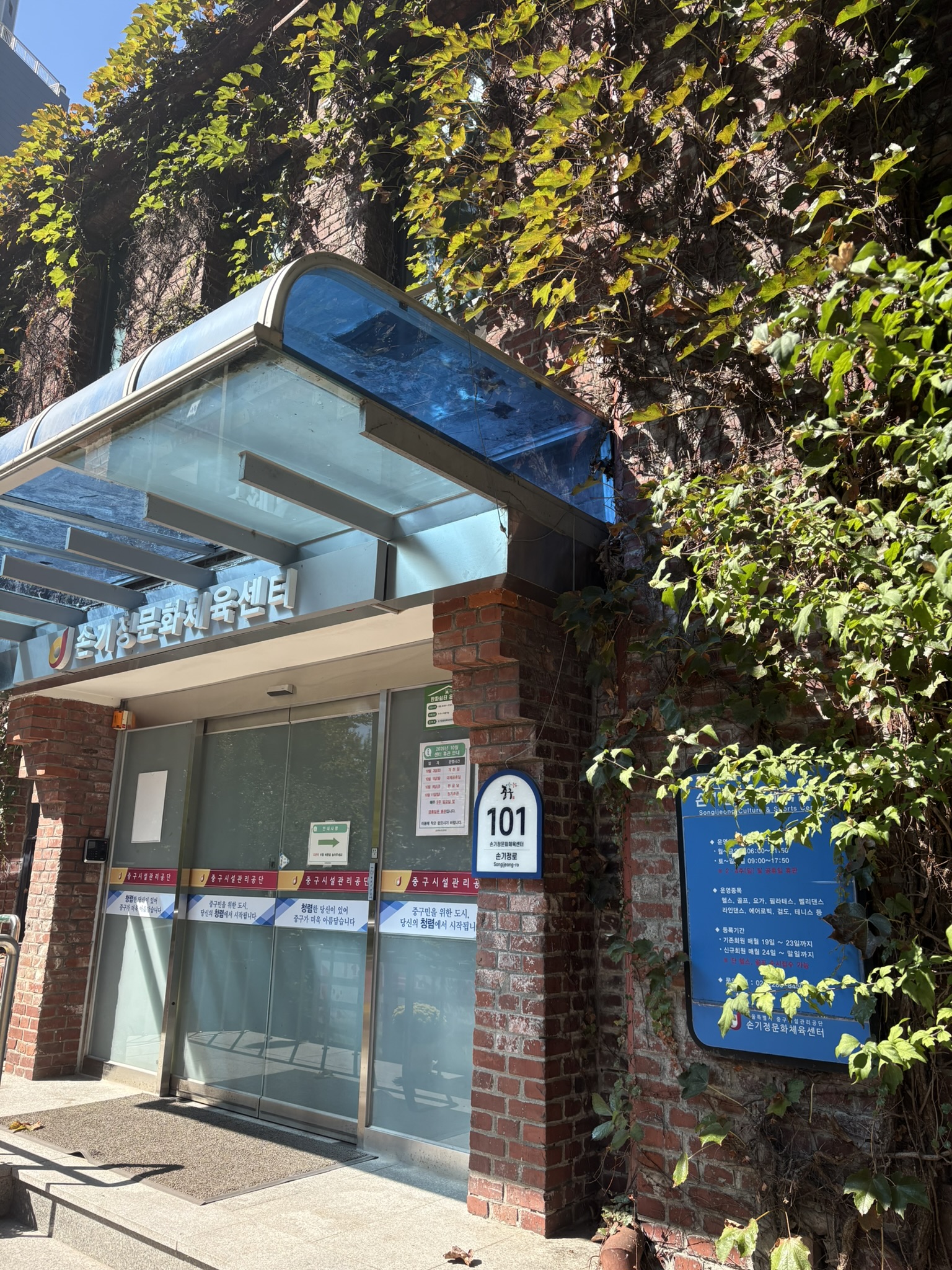
Down below the library is the Sohn Kee-chung Cultural and Sports Center.
You can take part in various activities here, from working out to aerobics and kendo.
I didn’t realize there were places where a library and a gym could be this close together.
Yoonseul
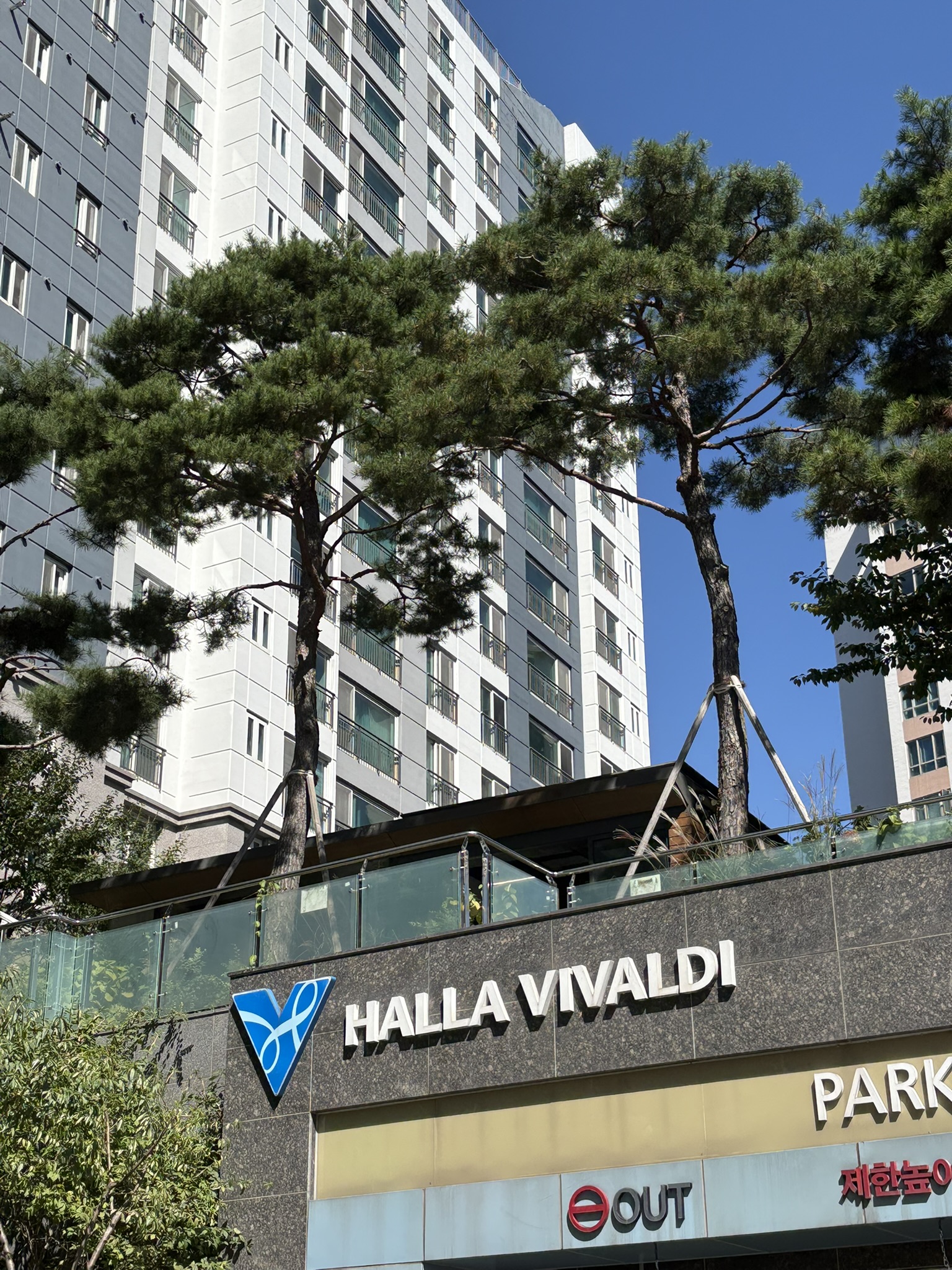
Walking straight down from the Sohn Kee-chung Cultural and Sports Center, there is the Sohn Kee-chung Children’s Library and an apartment complex called Halla Vivaldi. After passing them, you come to a three-way intersection.
Walking left at the intersection, you can see Lotte ZetaFlex and Seoul Station 7017.
Instead of entering Seoul Station 7017, I continued walking underneath it and came across a place called Yoonseul.
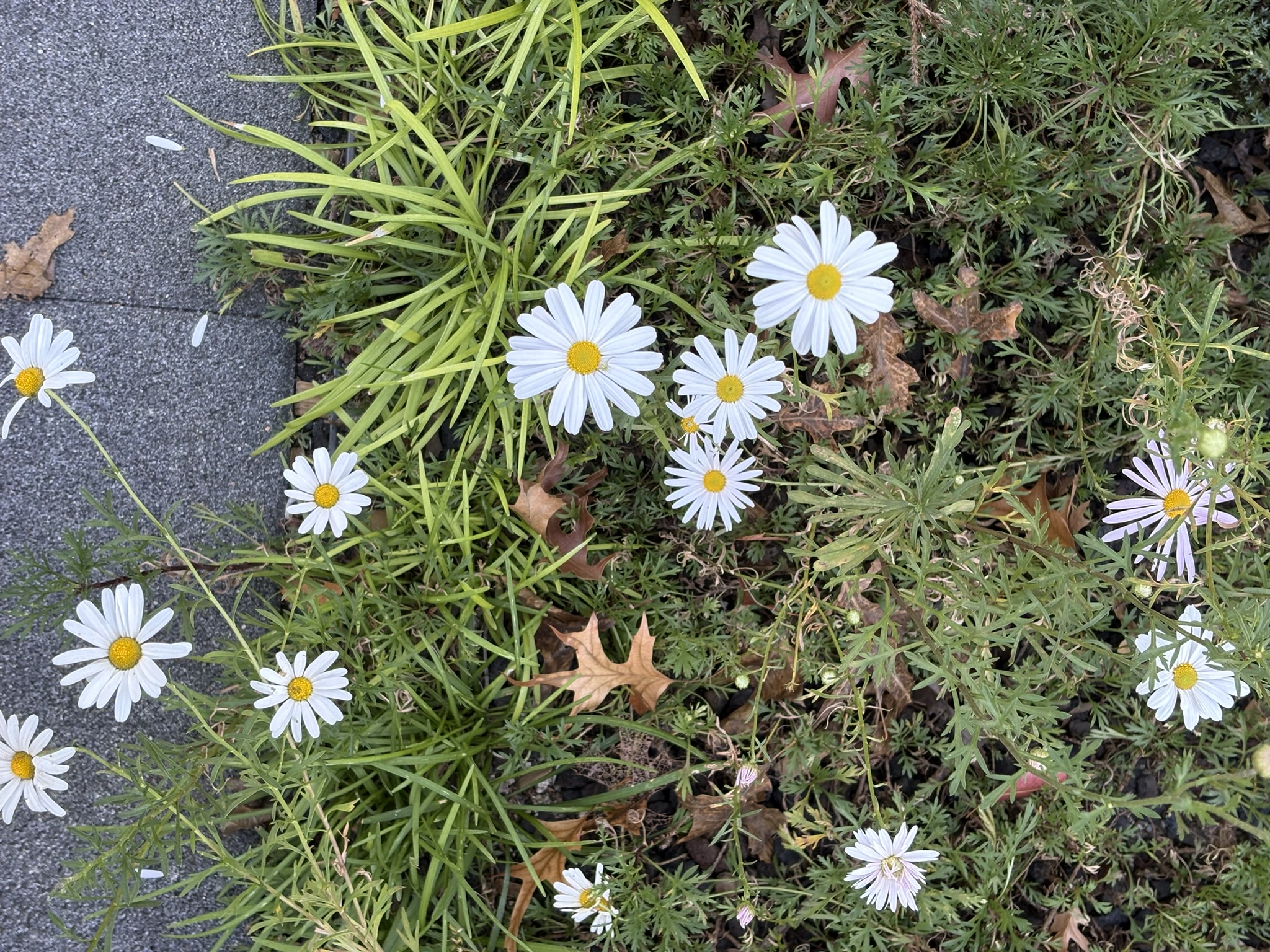
Daisies were in full bloom nearby.
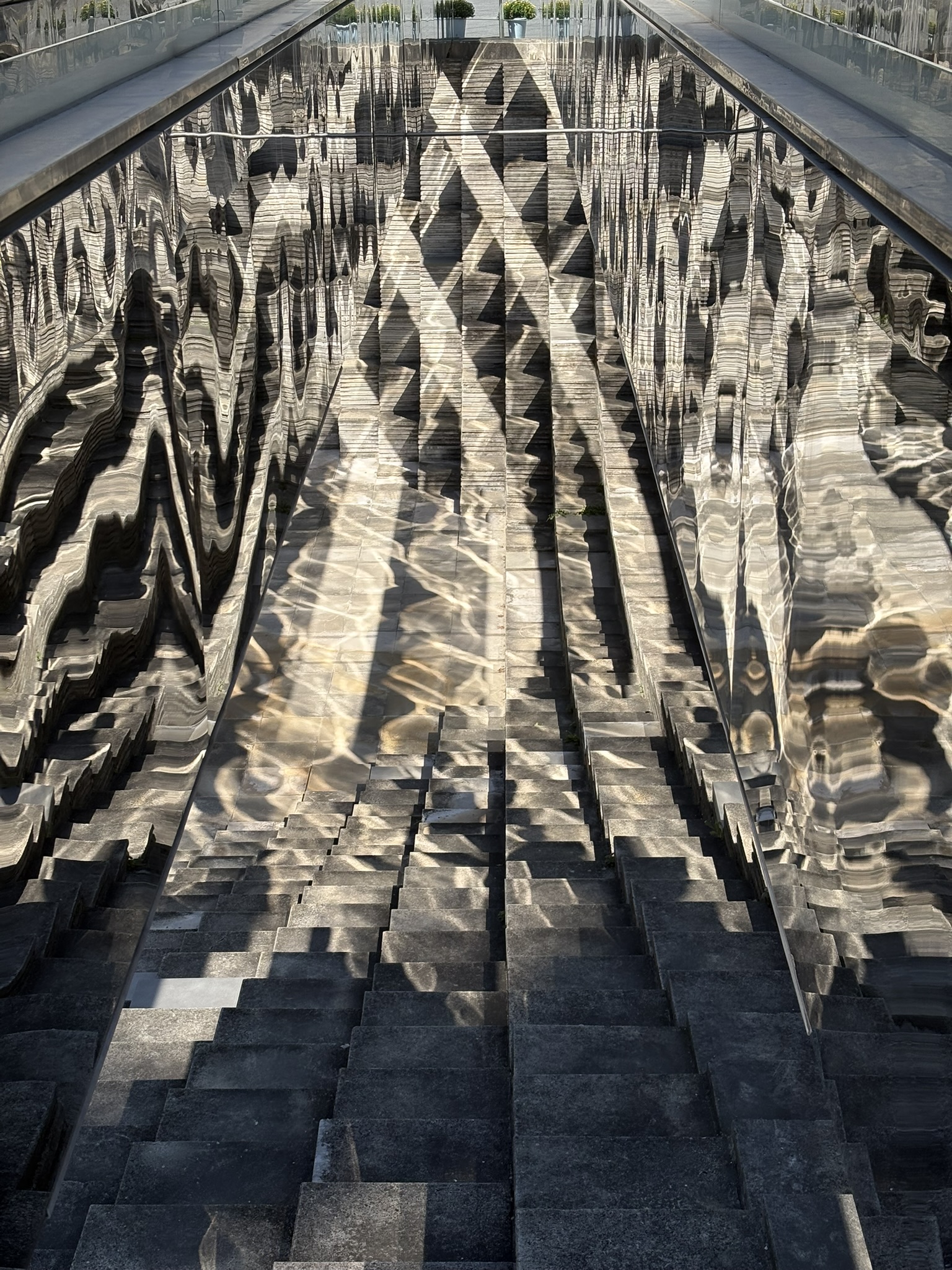
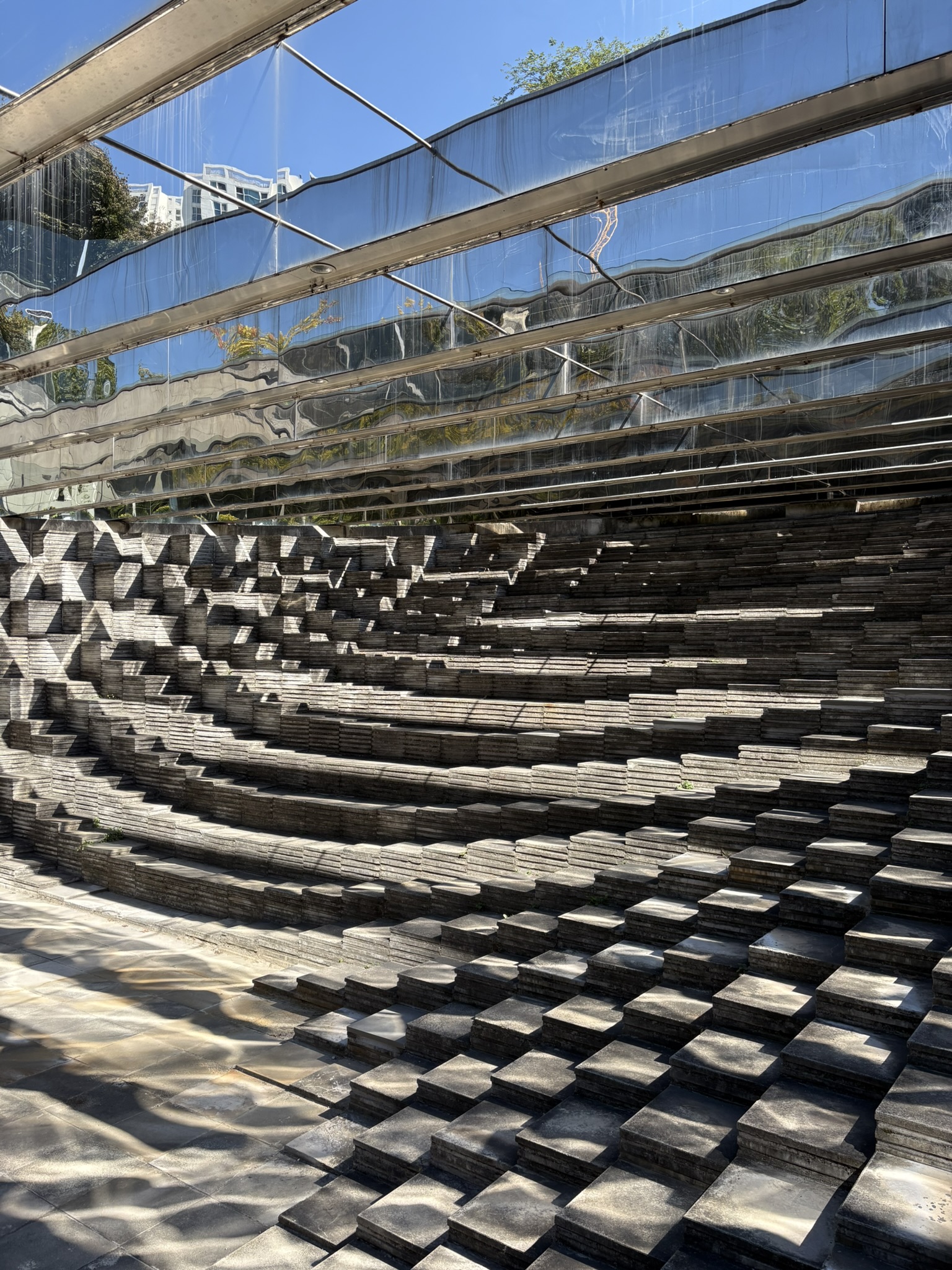
The full name of the structure is Yoonseul: Mallidong Reflecting Seoul.
Yoonseul refers to the shimmering ripples of water reflecting sunlight or moonlight, while Mallidong is the first or last stretch of Seoul Station 7017.
It seems like this work was created as part of the Seoul Station 7017 project. I imagine the intention was to reflect the city of Seoul in the mirrors and capture the way it shimmers.
The waves of reflected light shimmered brightly in the sunlight.
Yakhyeon Catholic Church in Jungnim-dong
Now, I’m heading to the church.
After leaving Yoonseul, I turned left once and continued straight until I reached the church.
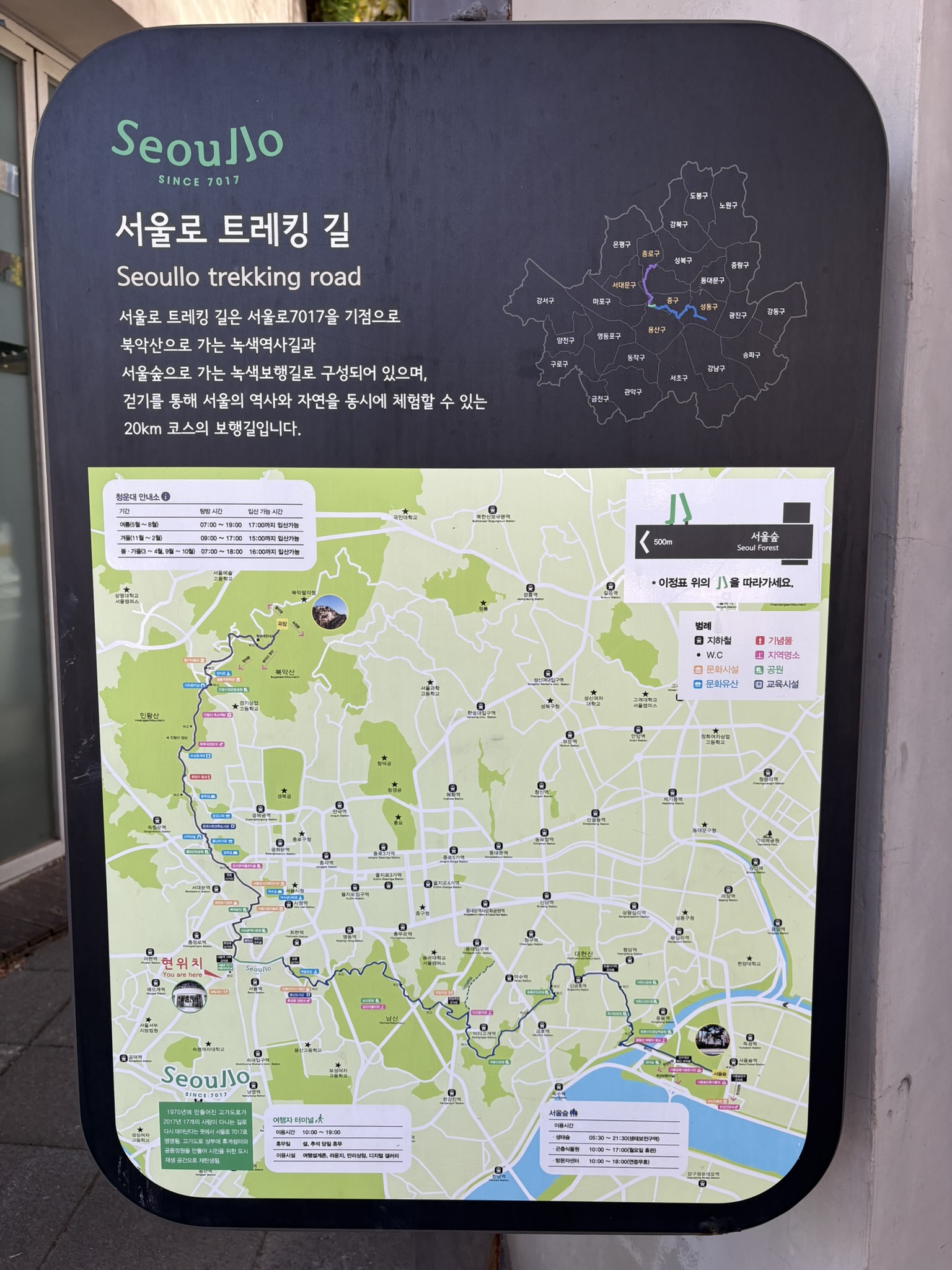
On the way, I saw a sign showing a Seoul-ro trekking route centered around Seoul Station 7017.
The route goes north toward Bugaksan via Inwangsan, and in the opposite direction, it heads toward Seoul Forest via Namsan.
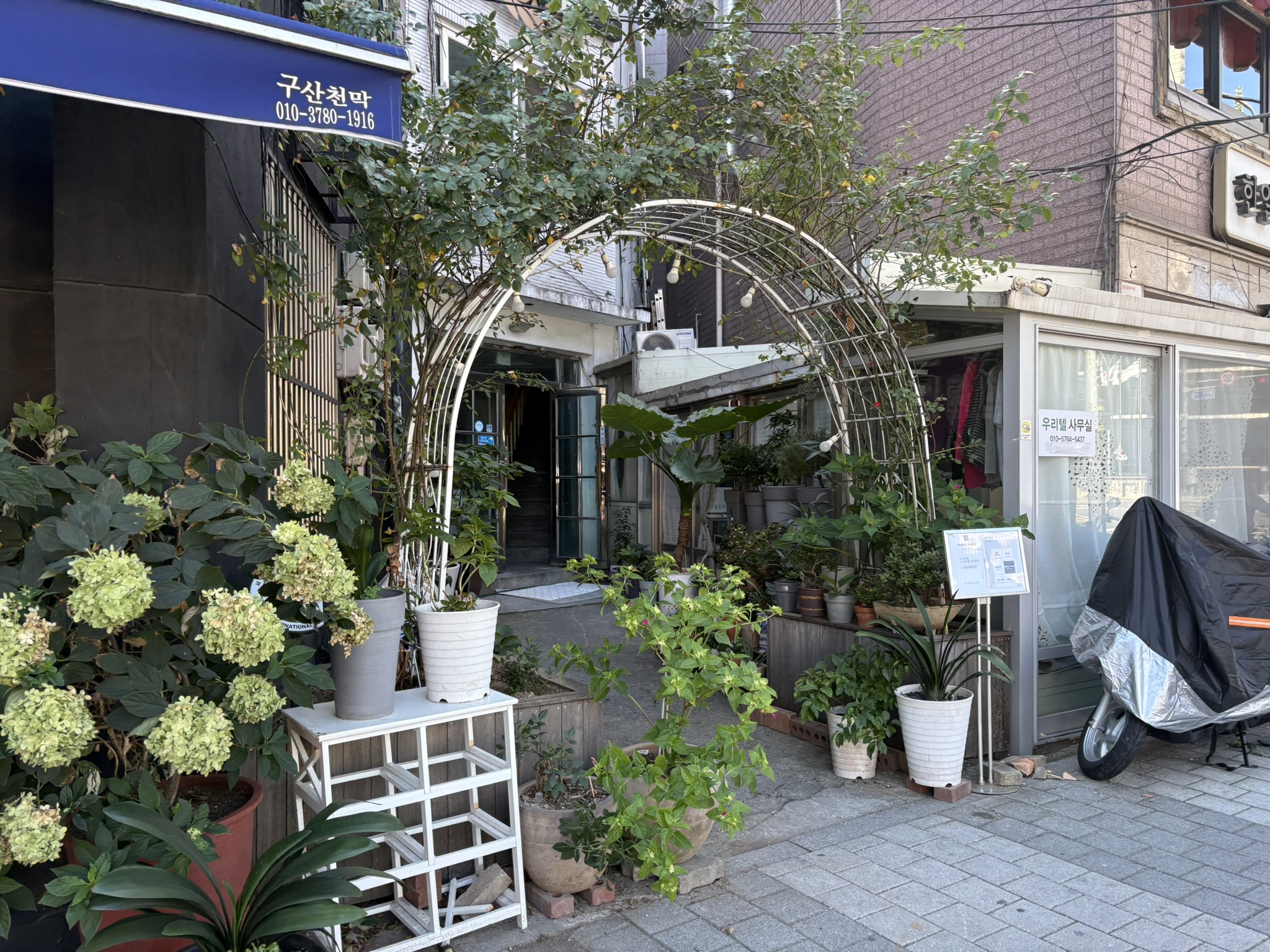
I took another look at the garden I photographed in August.
It looks like they replaced a few of the plants.
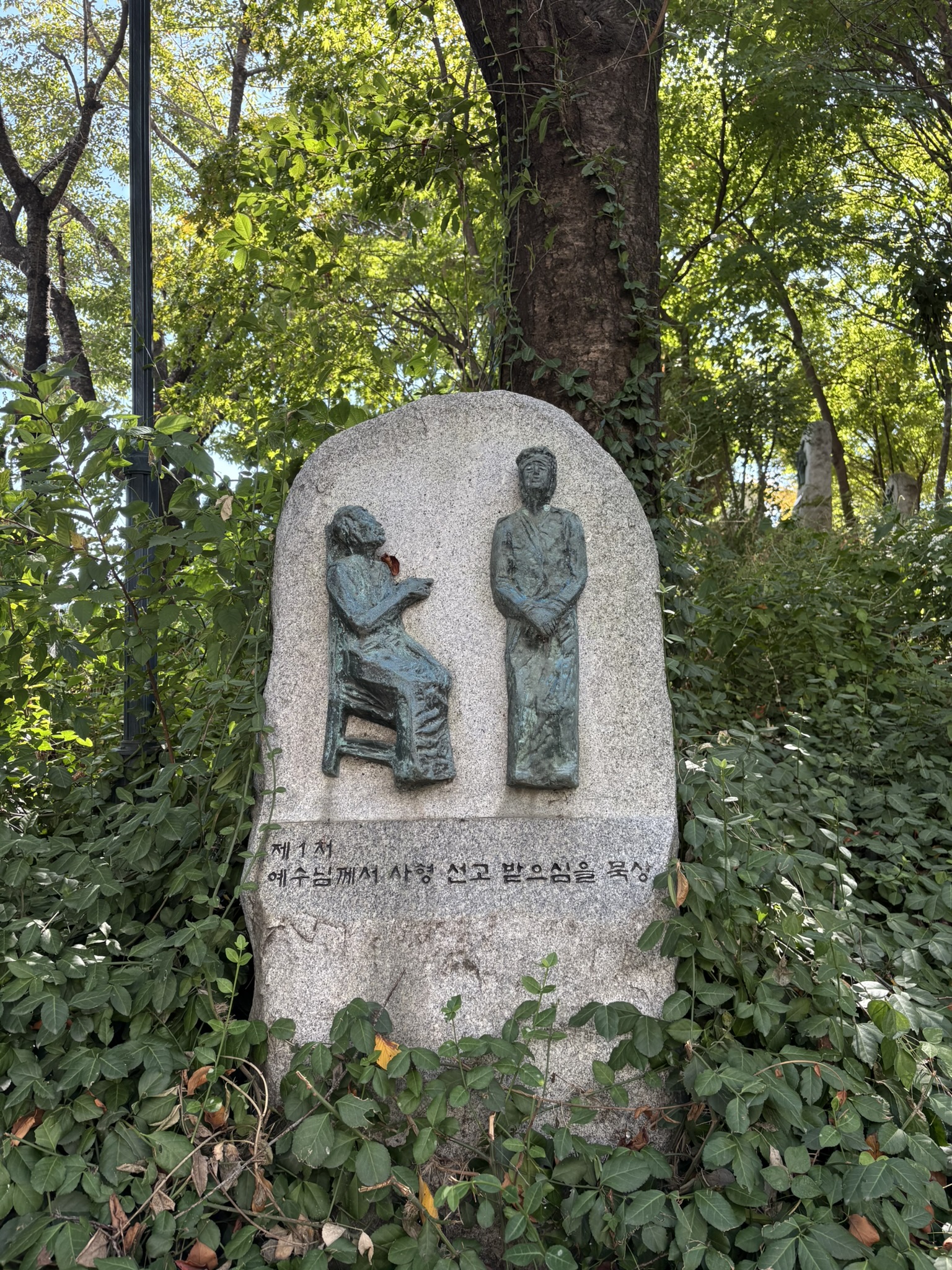
There are statues at Yakhyeon Catholic Church depicting the Passion of Christ, where visitors can pray.
There are fourteen Stations of the Cross, from the First Station, where Jesus is condemned to death, to the Fourteenth Station, where Jesus is laid in the tomb.
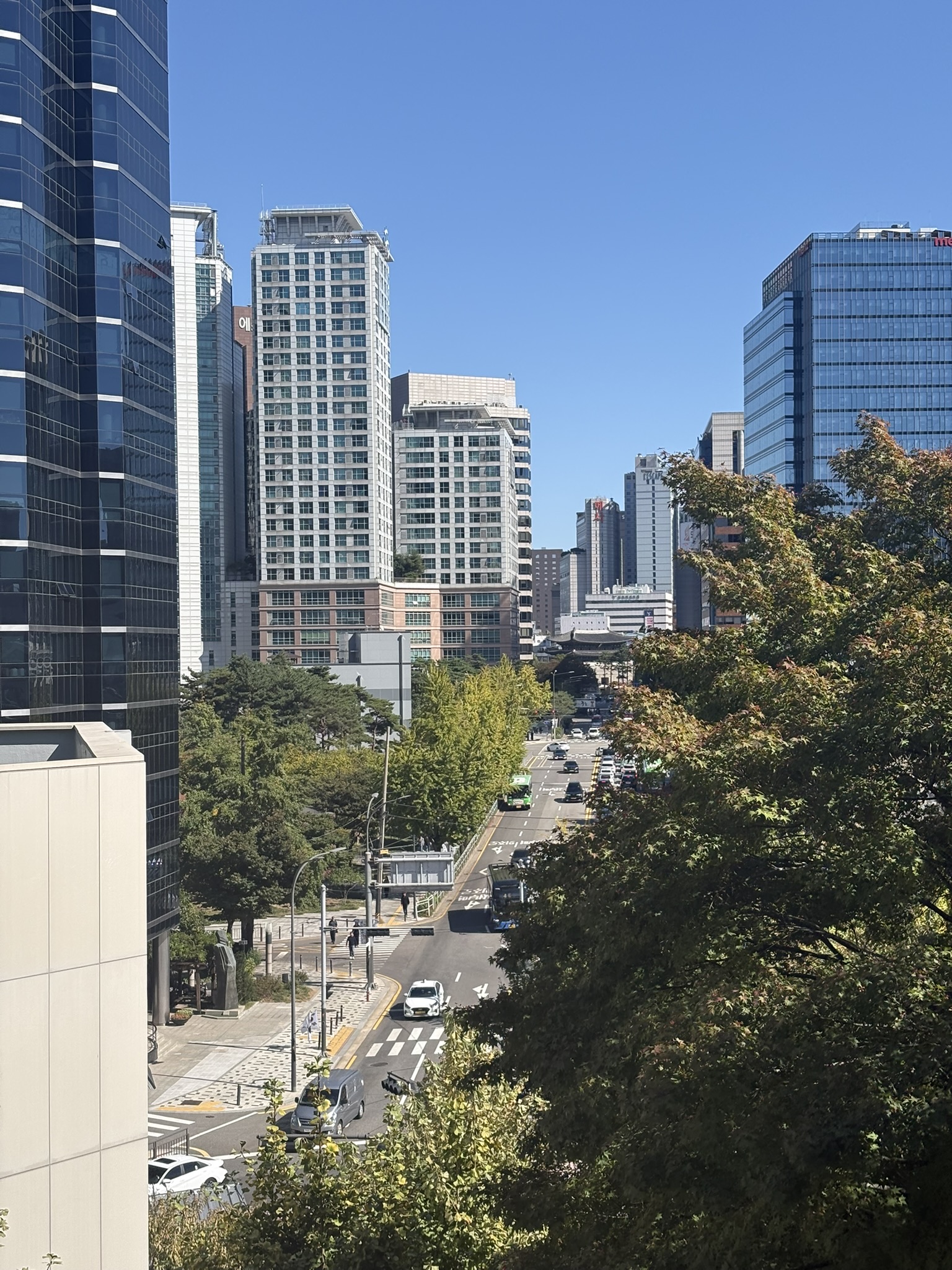
There is also a small observatory, and a sign says that Sungnyemun Gate can be seen from here.
Through the thick foliage, I could see Sungnyemun Gate in the distance.
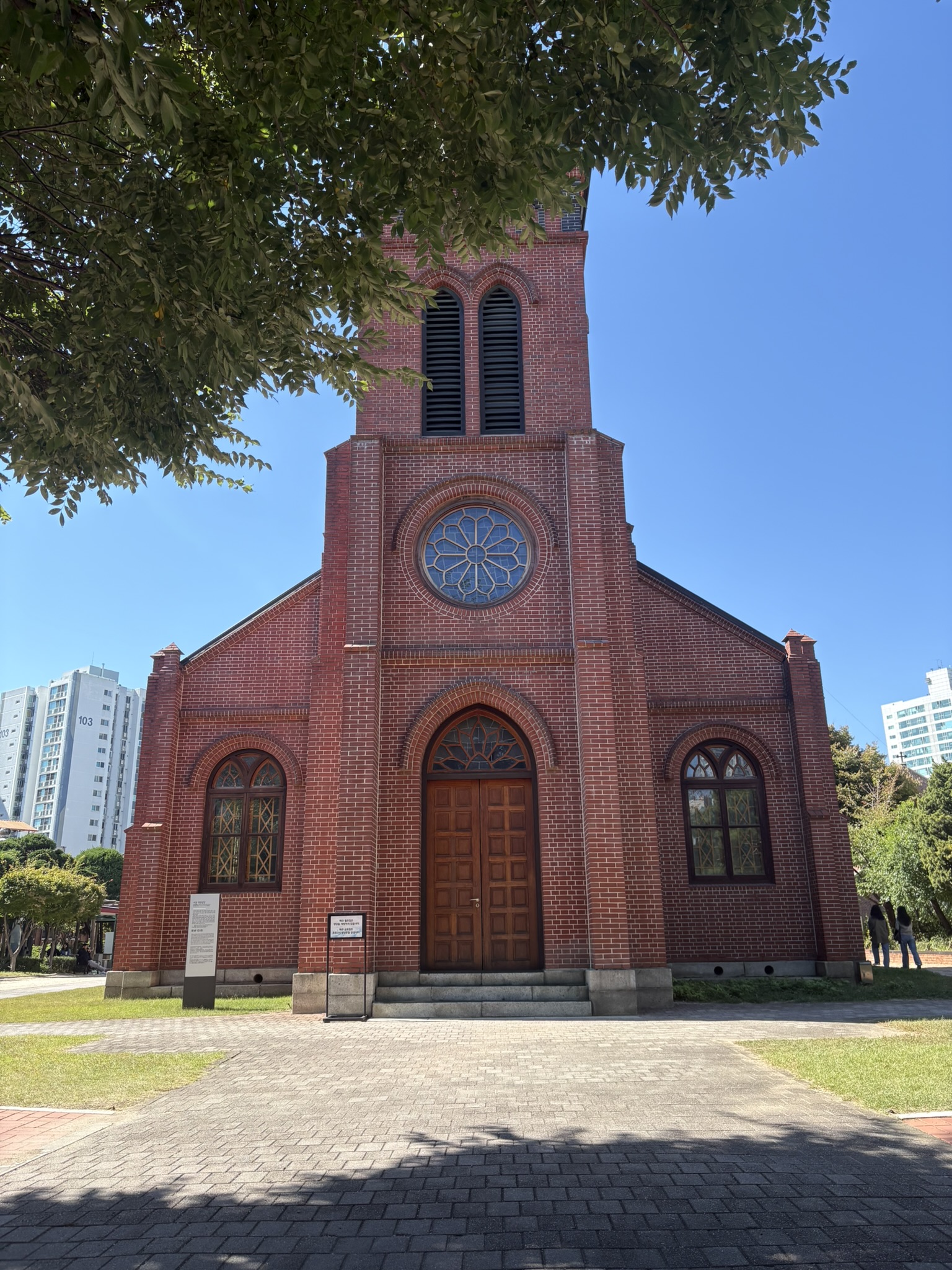
Yakhyeon Catholic Church is said to be the first Western-style church building in Korea.
Yakhyeon is the name of the hill at the entrance to Mallidong, where the church stands, on the way toward Seoul Station.
Apparently, the area used to have fields where medicinal herbs were grown, which is how it got its name.
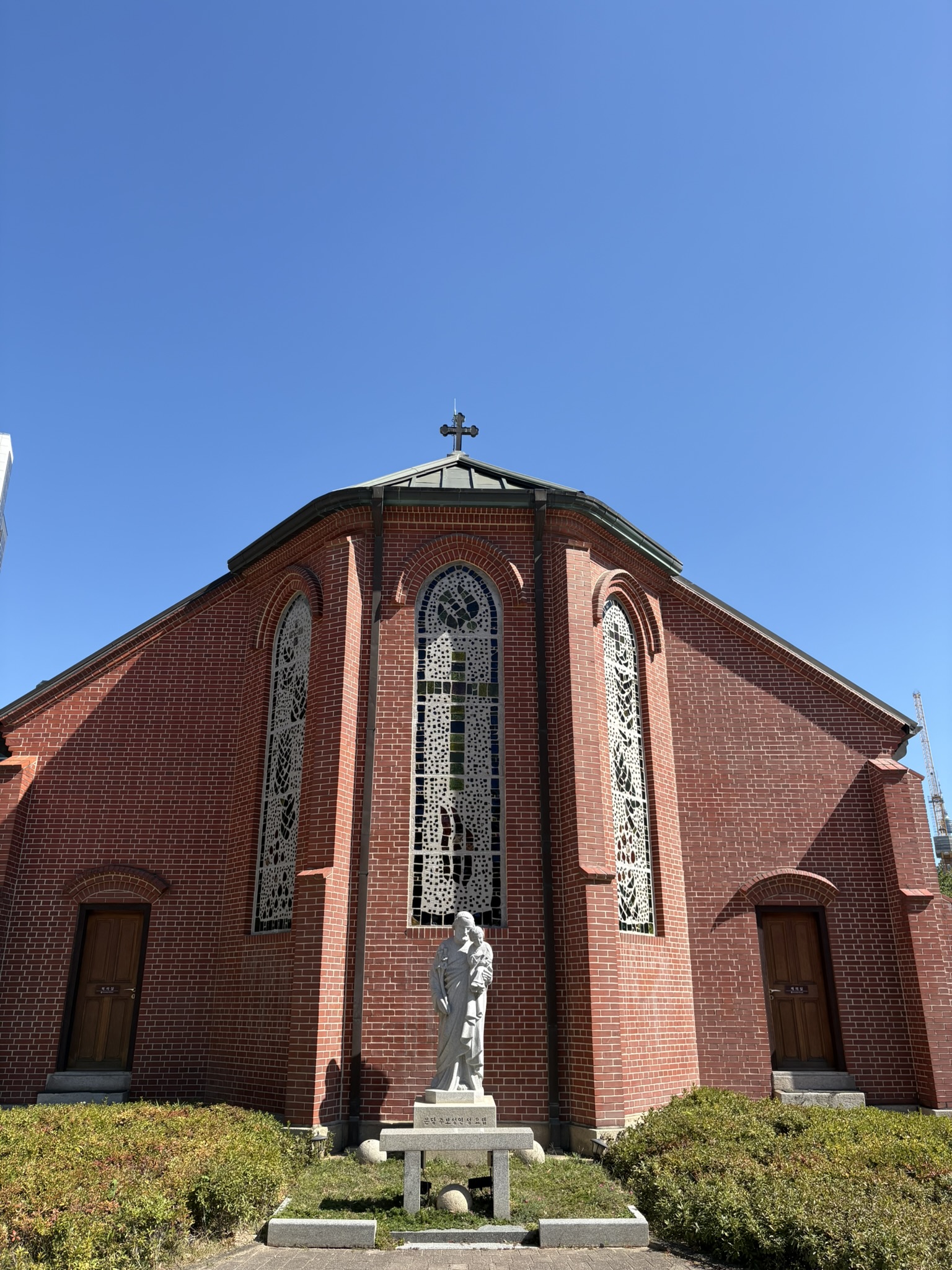
There is also the Seosomun Martyrs Memorial Hall and Memorial Church.
Photography is not allowed inside the memorial hall, so I didn’t take any photos. It mainly explains the history of martyrdom in Korea.
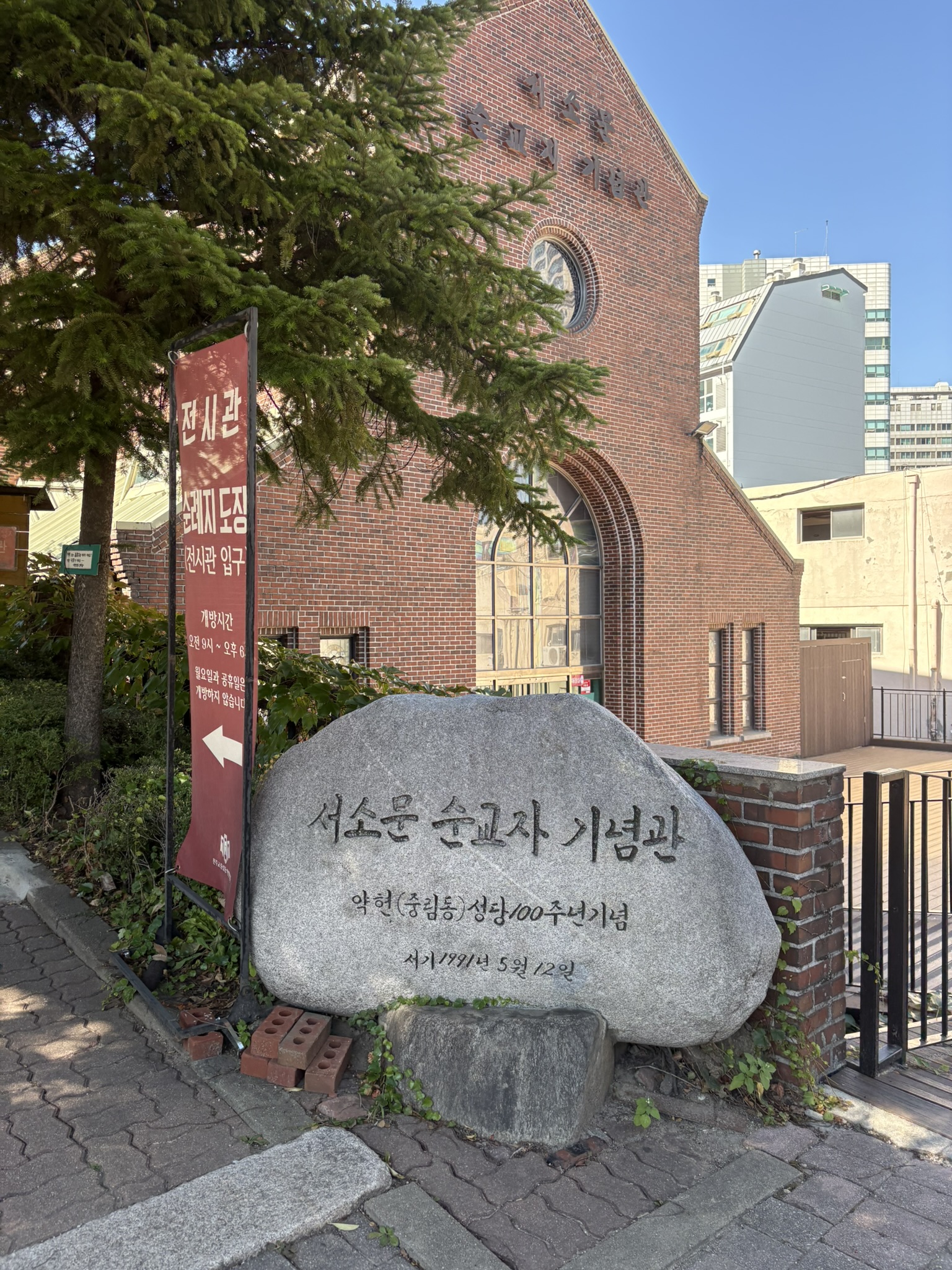
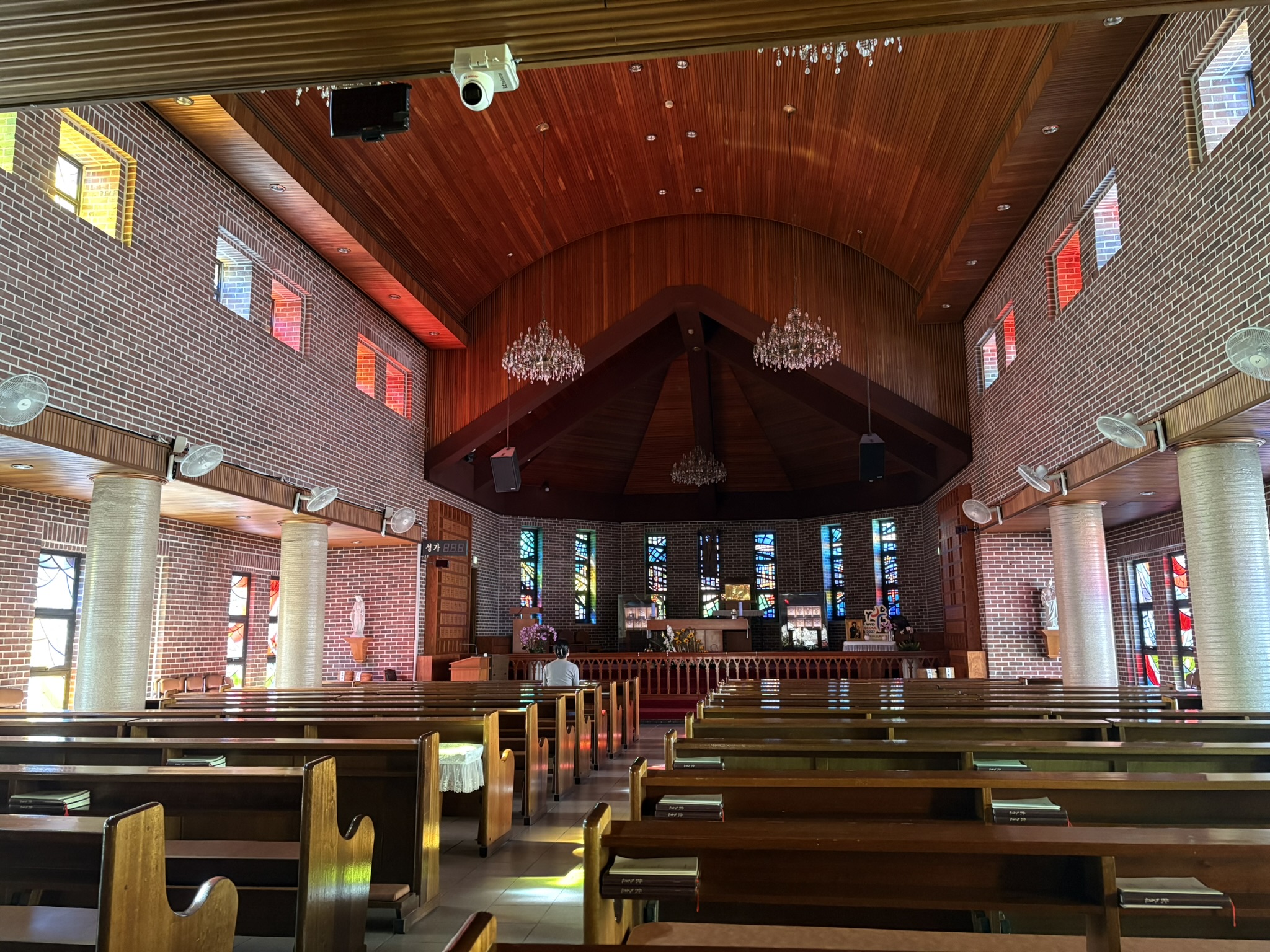
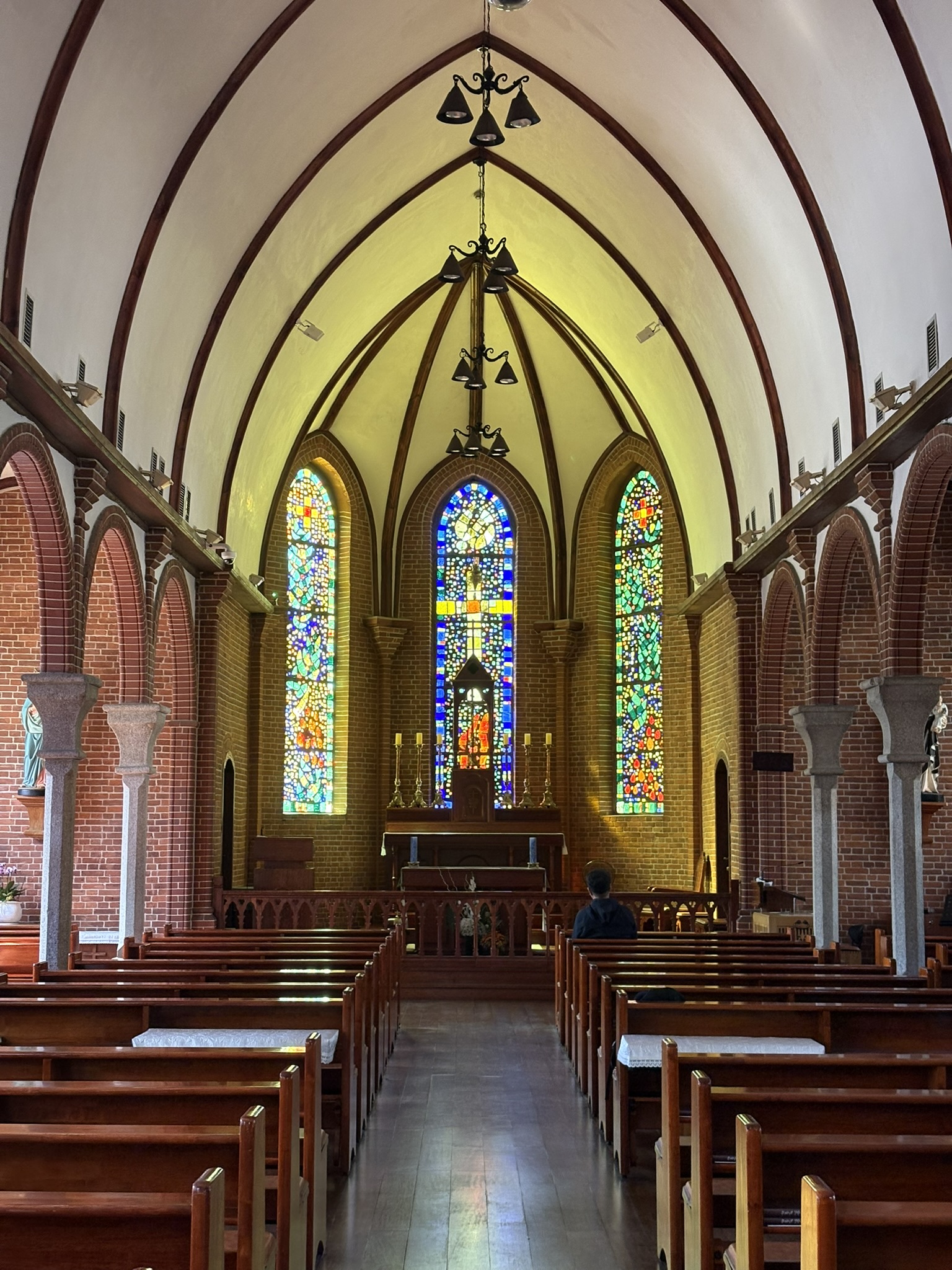
I sat in both the main church and the memorial church and thought about this and that.
I sometimes visit churches because sitting inside one makes me feel calm.
Regardless of whether God exists or what I believe or have faith in, I like the sense of sacredness and beauty that these religious buildings give off.
Jungnim Warehouse
After leaving the church and walking a little to the left, there is an alley with an old apartment building.
There are cafes and restaurants tucked farther inside the alley.
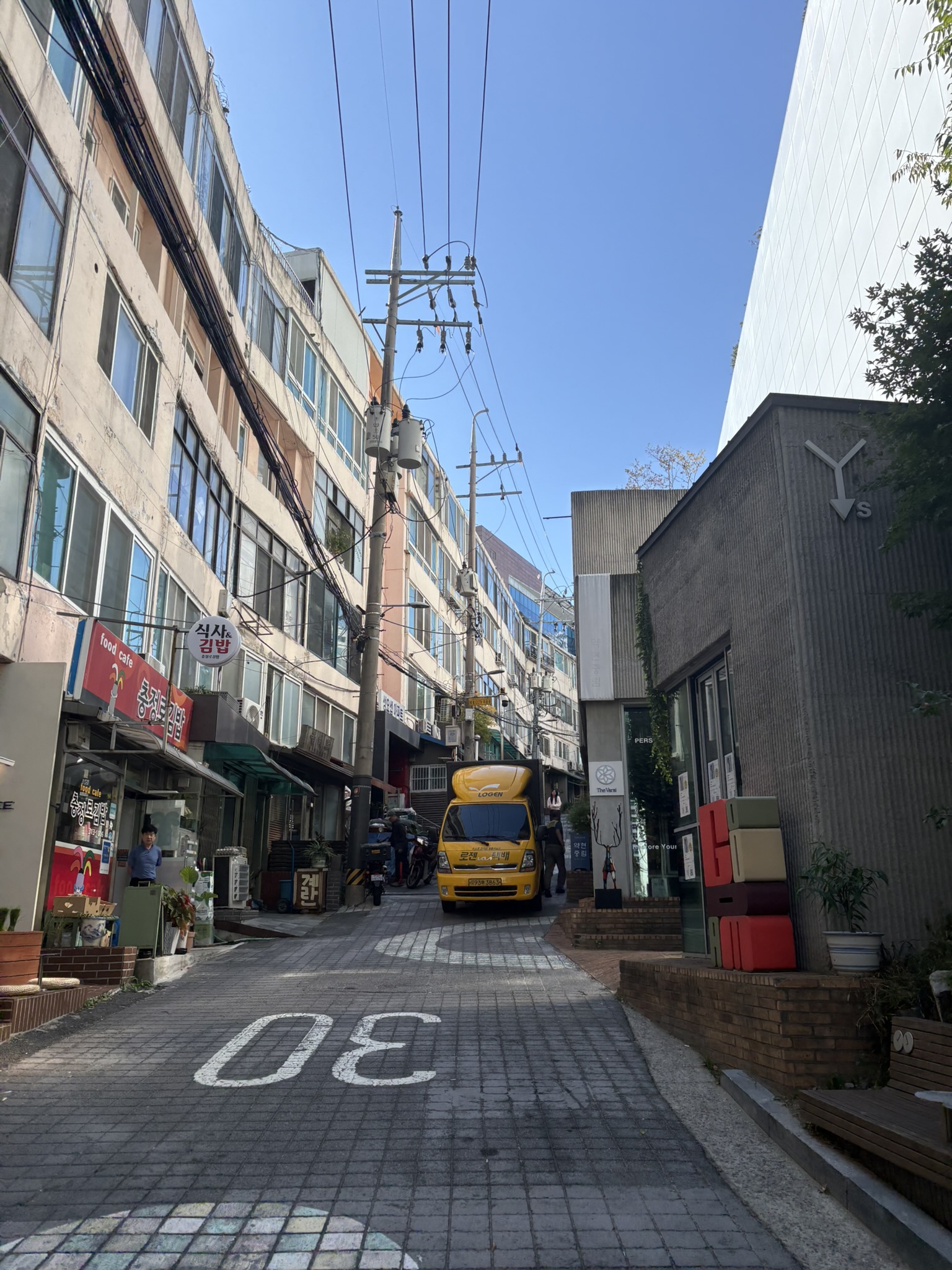
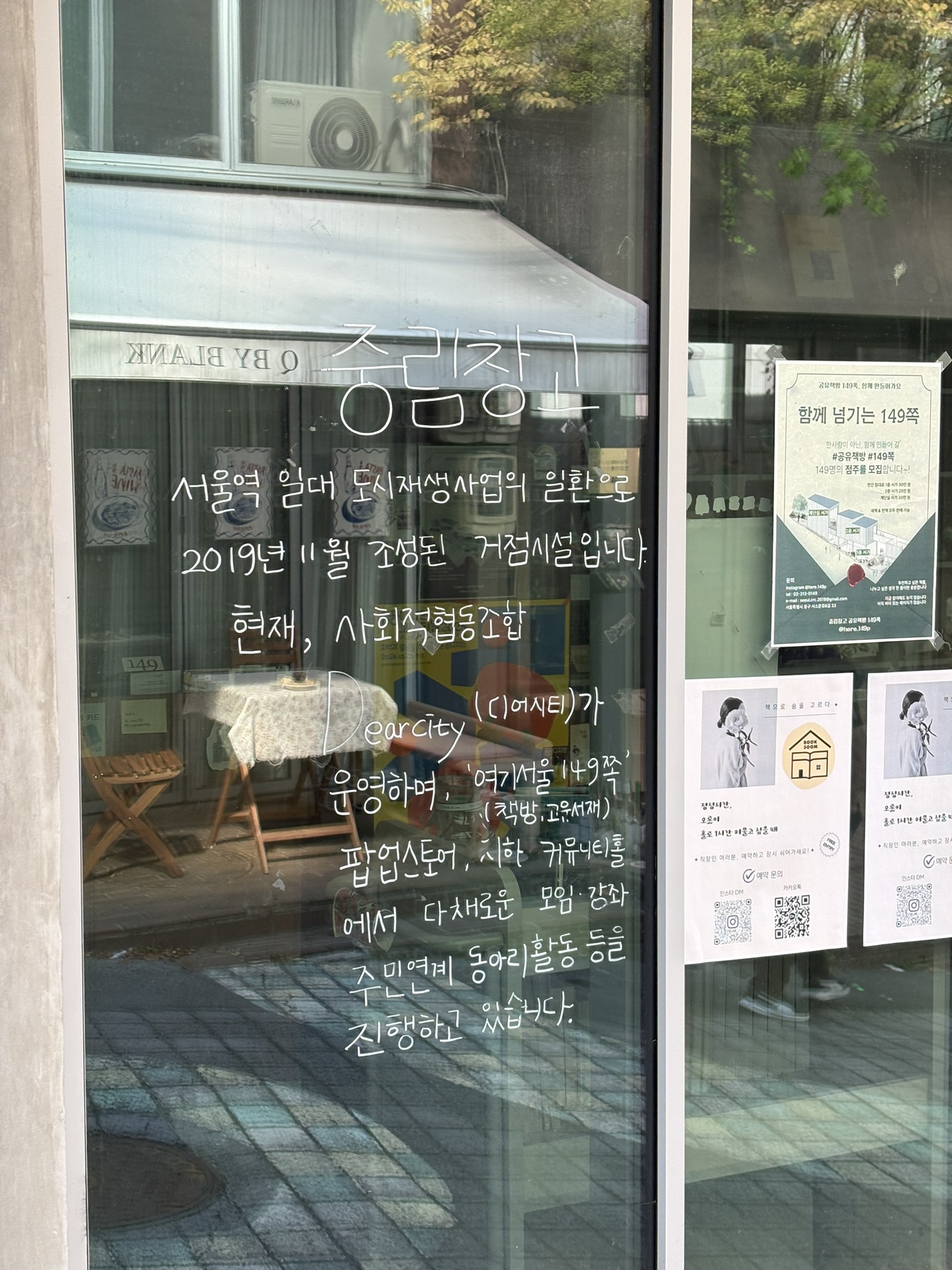
I was trying to visit a place called Jungnim Warehouse, which is something like a bookstore, but the door was firmly closed, perhaps because it wasn’t open today.
I settled for wandering around the alley before heading back.
Seosomun Shrine History Park and Museum
If you head back toward the garden I saw earlier on the way to Yakhyeon Catholic Church, there is a crosswalk at an intersection.
From there, you can see the red-brick building of Seosomun Shrine History Park.
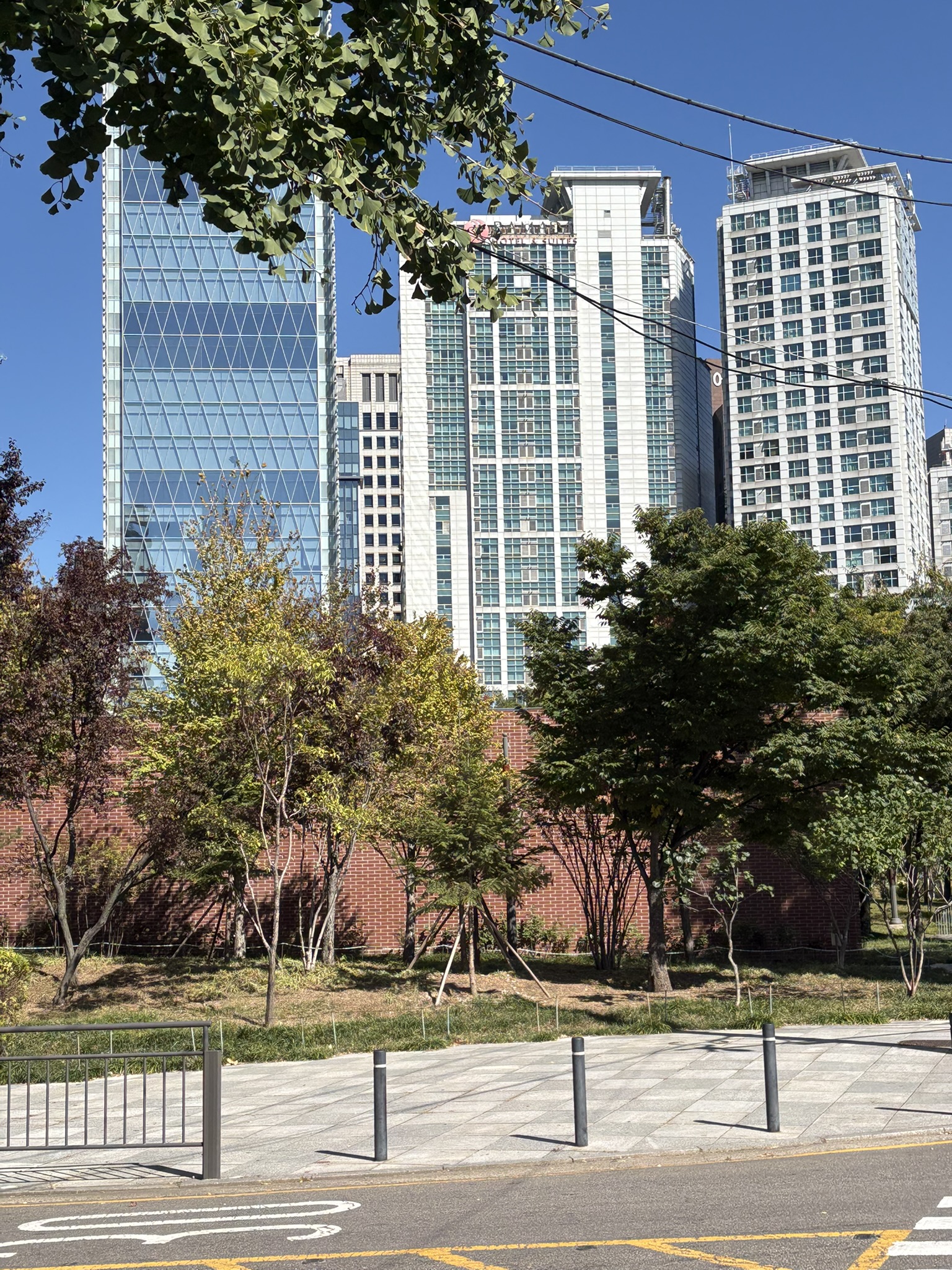
Seosomun Shrine History Park is both a park where you can enjoy some peace and quiet in the middle of the city and a museum.
You can also see redevelopment work going on nearby.
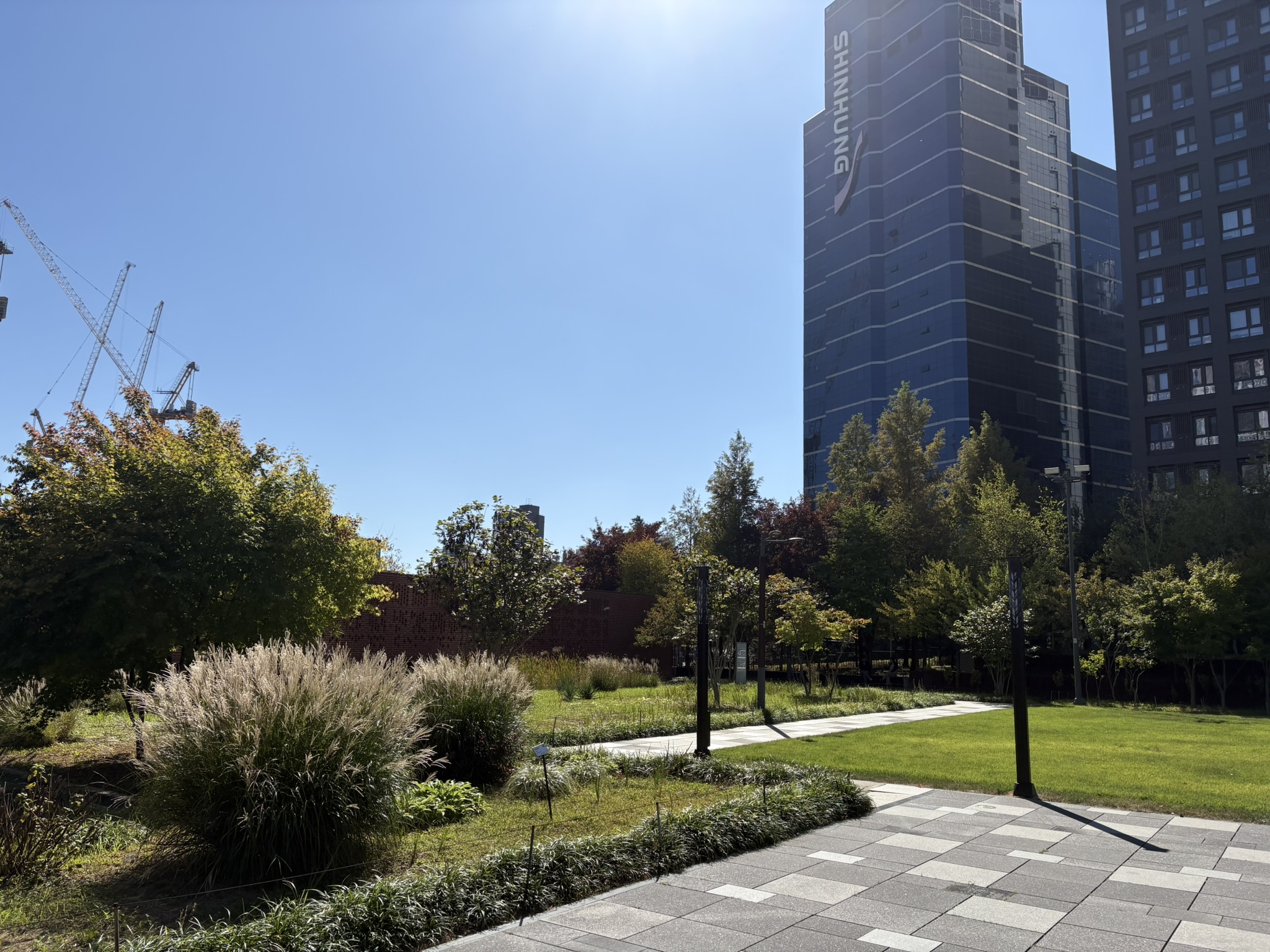
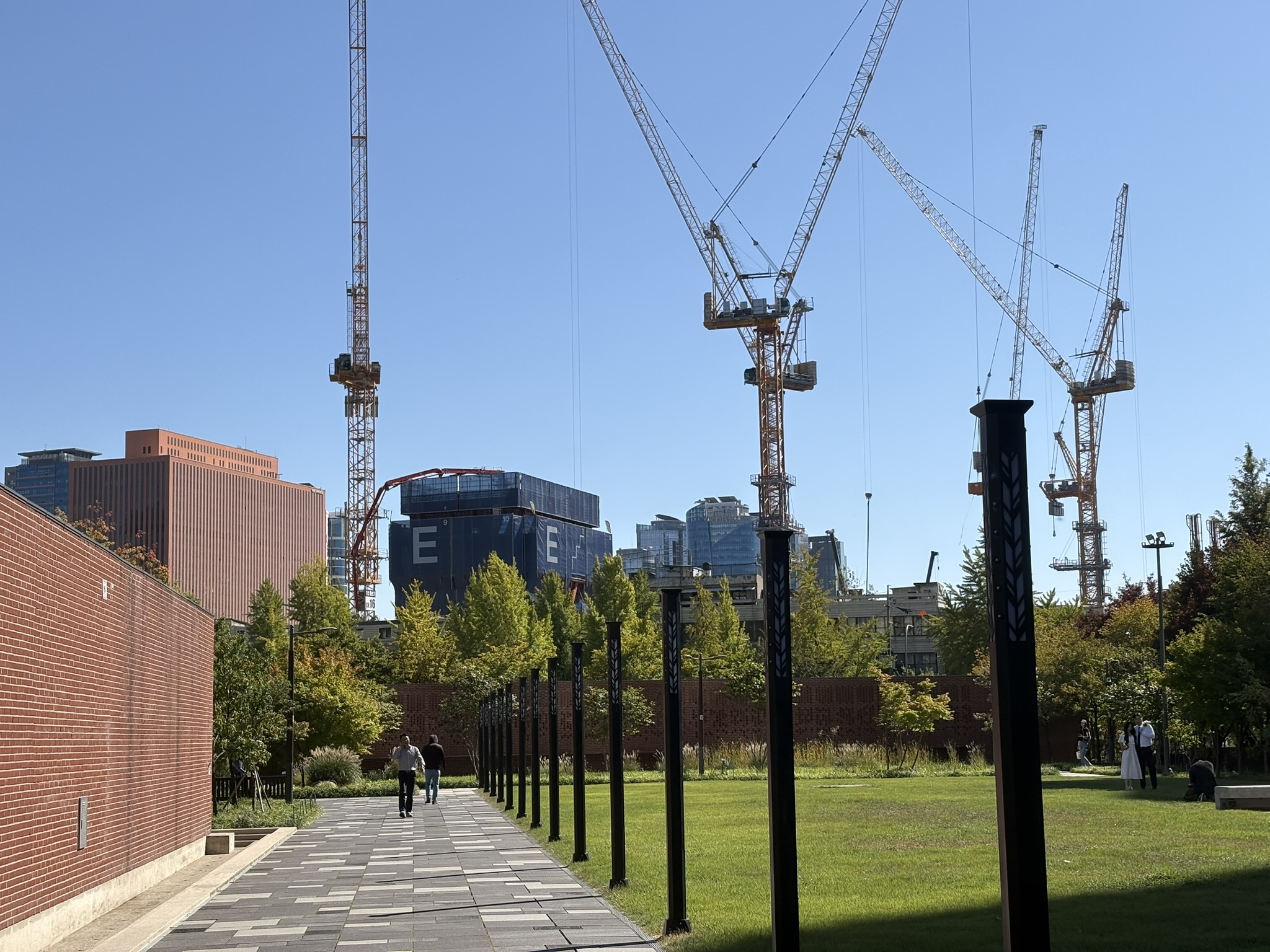
The museum was built with a geometric and imposing feel.
Like the Sohn Kee-chung Memorial Hall and Yakhyeon Catholic Church, it is also built with red bricks.
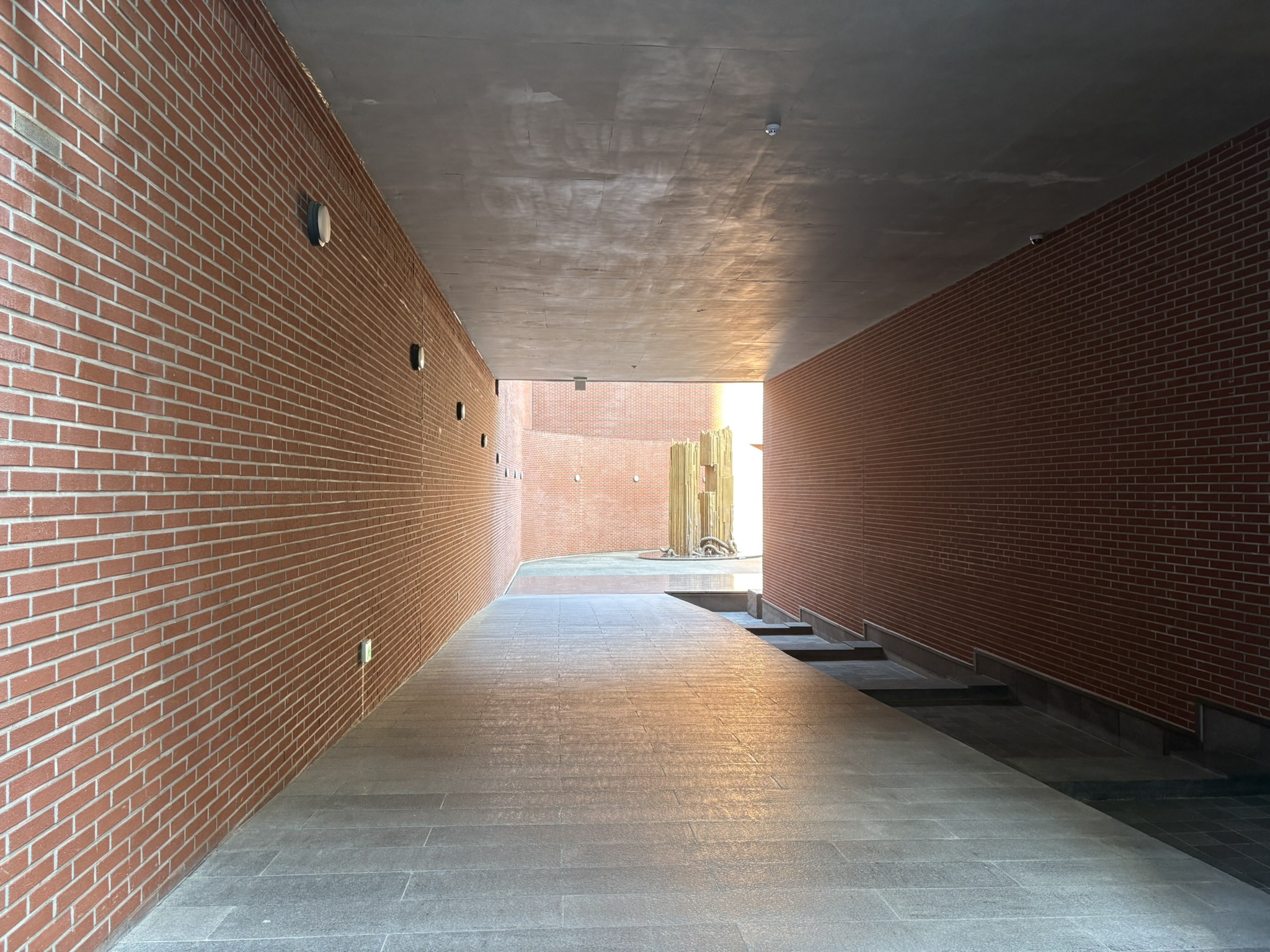
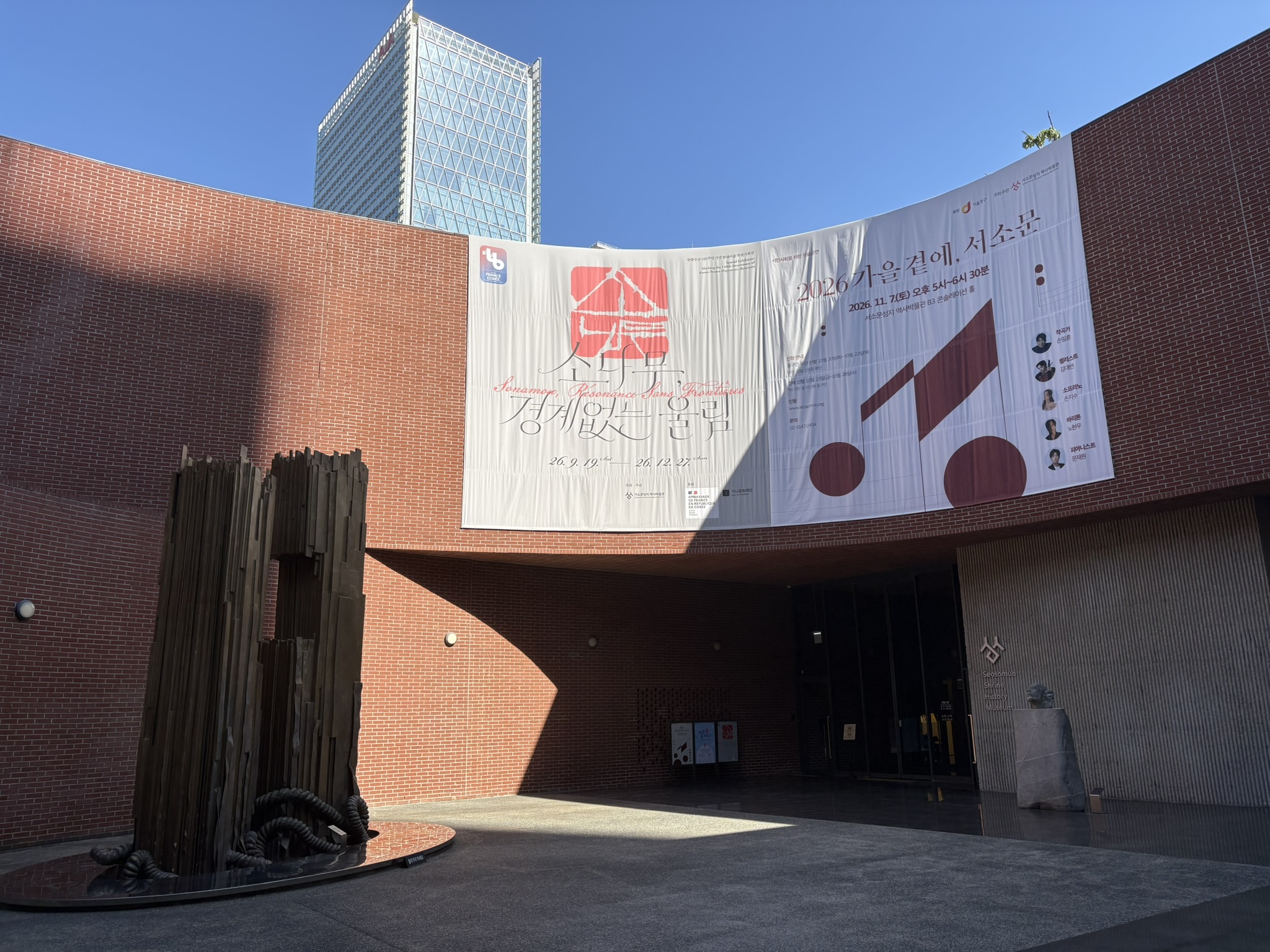
The museum regularly holds both special and permanent exhibitions.
I also added a sculpture by artist Hong Soon-mo, which I saw at a previous special exhibition, to my archive of images.
This time, an exhibition titled Pine Trees, Resonance Without Borders was being held to commemorate the 140th anniversary of diplomatic relations between Korea and France. It is scheduled to run until December 27 of this year.
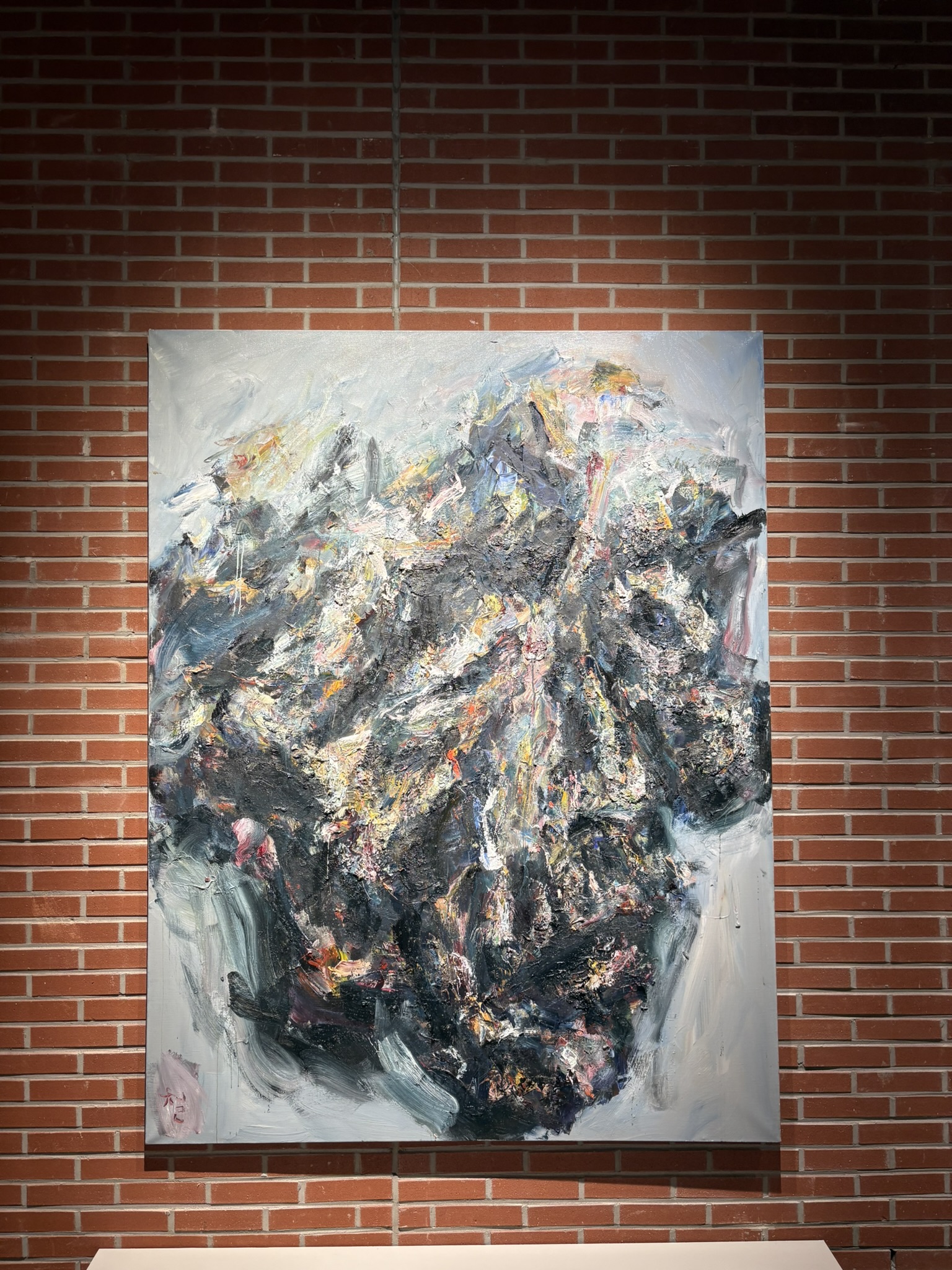
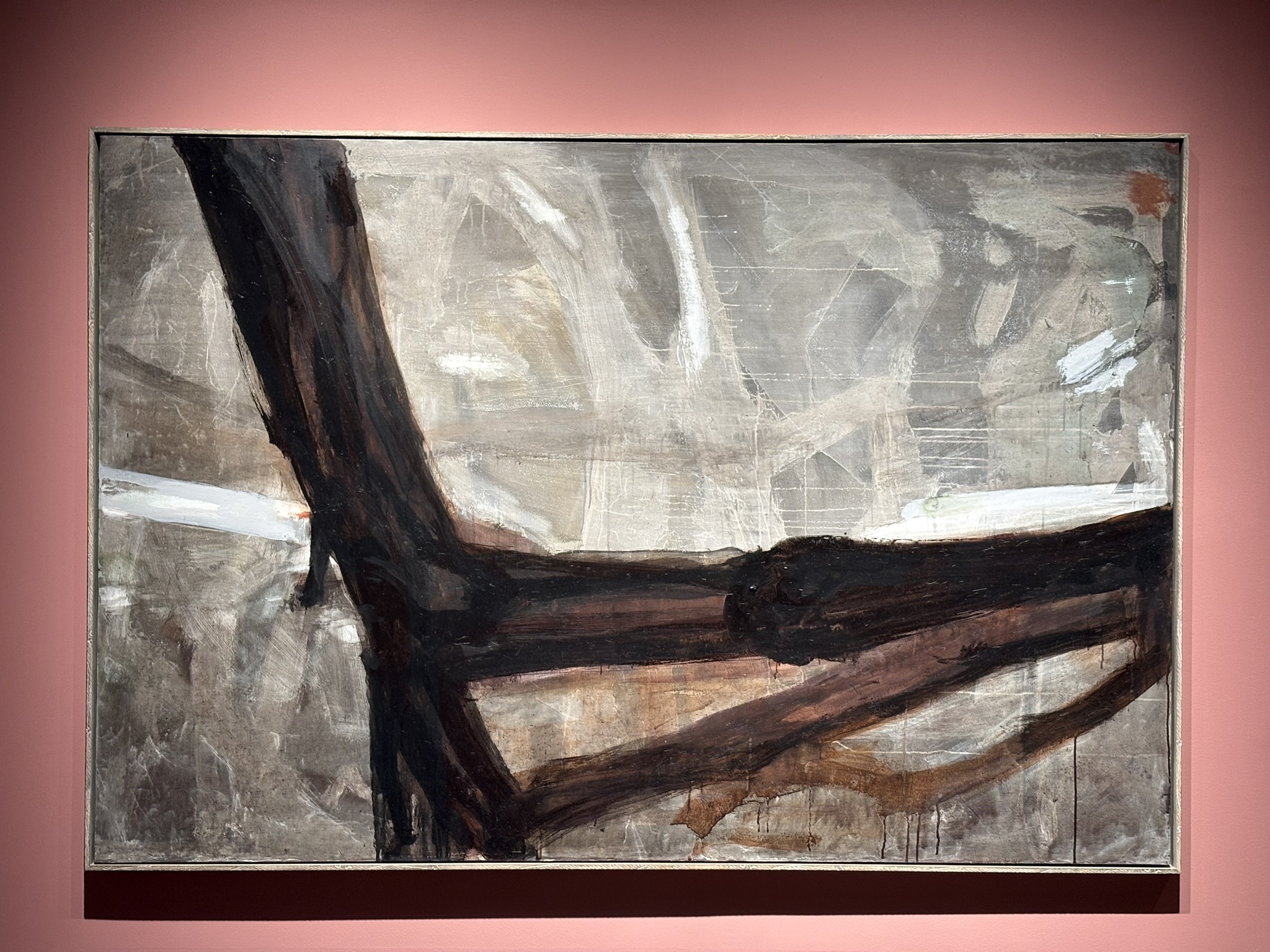
The Sonamu Association, a group of Korean artists, was founded in Paris in the 1990s, and the exhibition featured works by artists from the association.
Kwon Soon-chul’s Visage (2000)
Kim Sun-taek’s untitled work (2019)
This is my favorite place in the Seosomun Shrine Museum: Sky Plaza.
While it gives me a sense of openness, almost as if my chest were opening up, the tall brick walls surrounding it also make me feel somewhat overwhelmed.

The Sky Path is always closed whenever I visit. I’ve never been able to go in, but I really want to someday.
So I always end up turning back after walking only as far as this point where the stone appears.

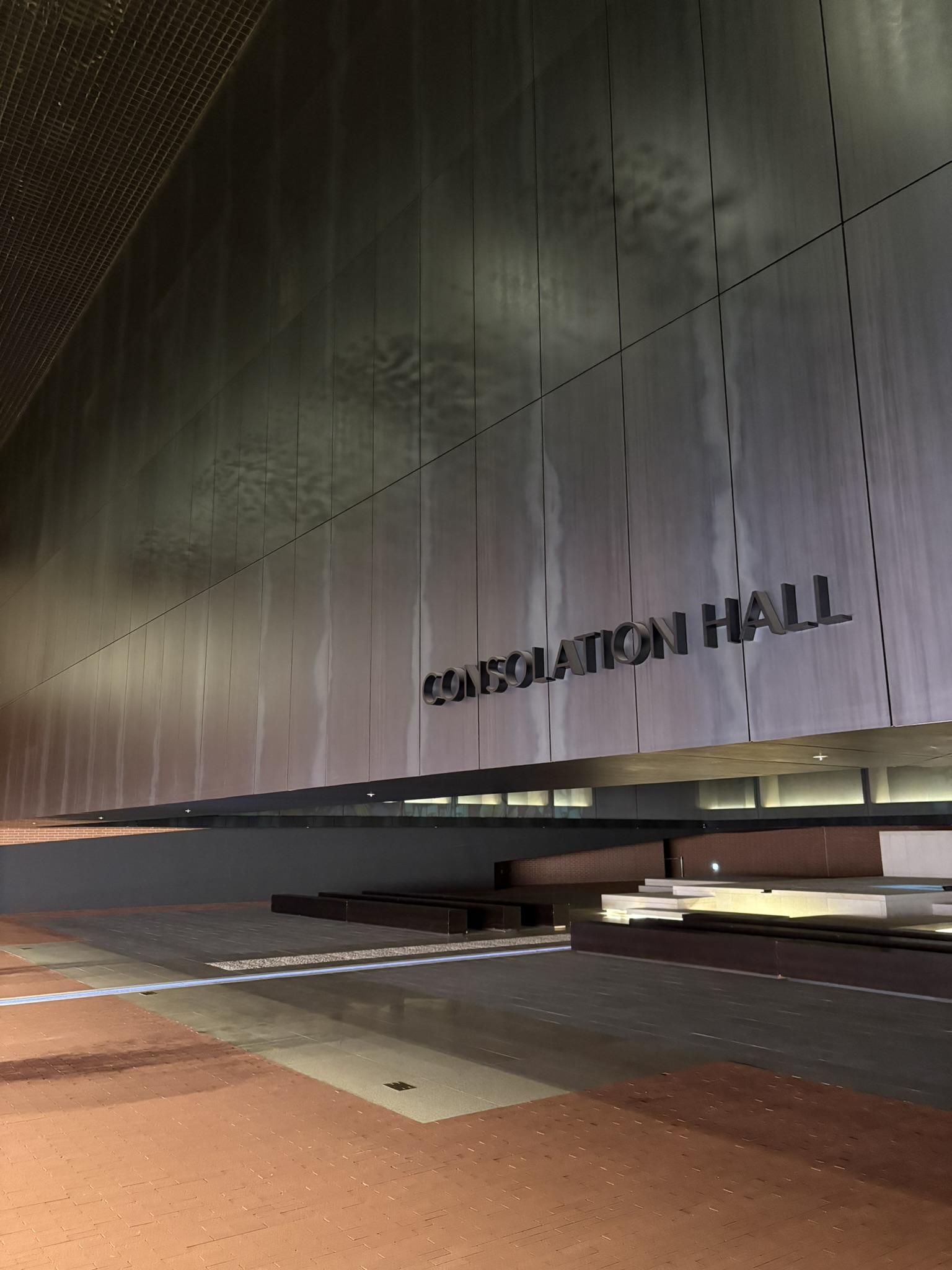
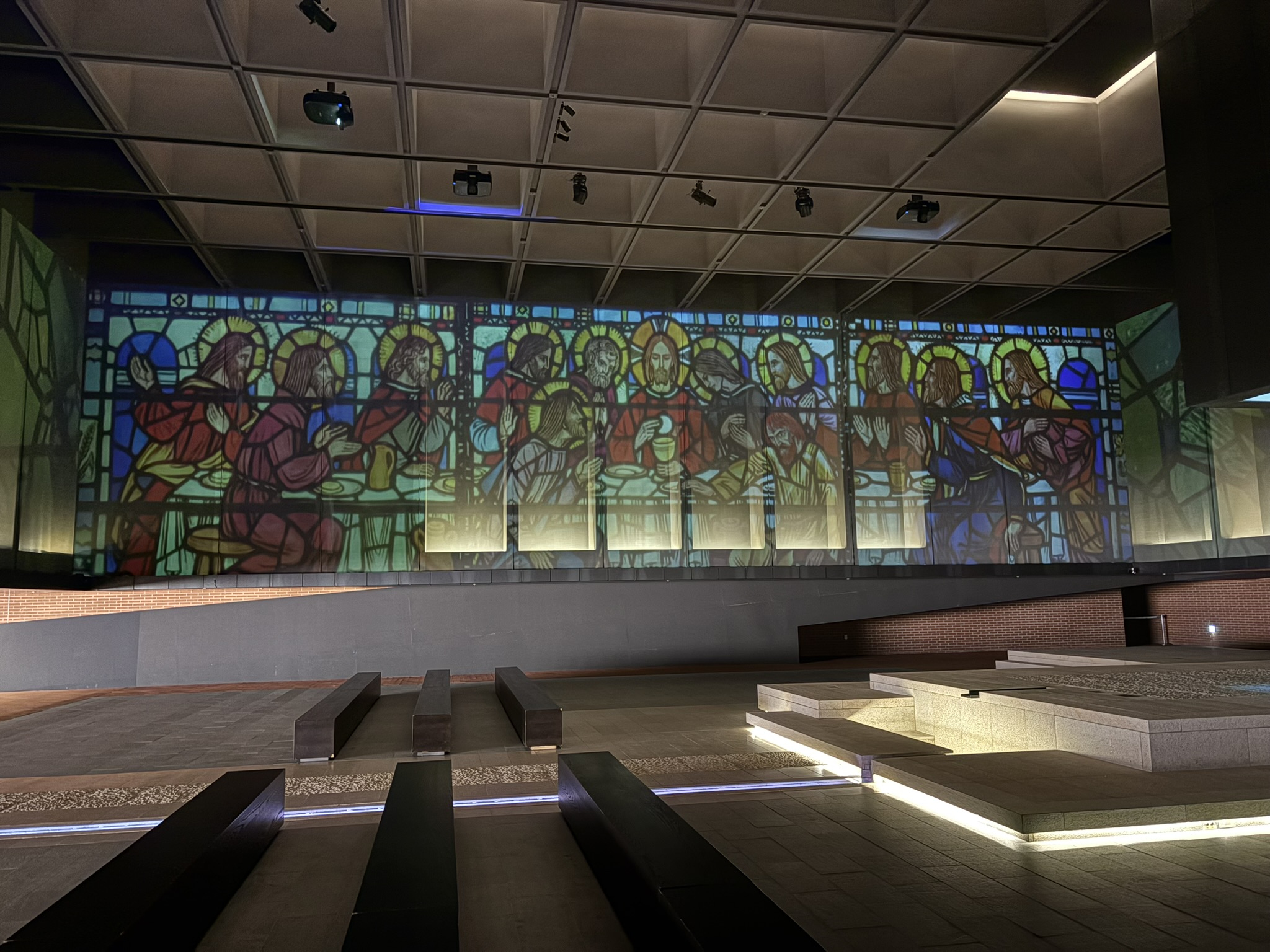
On the opposite side of the entrance to Sky Plaza is a space called the Consolation Hall.
A projector was being used to display images of stained-glass windows from a church.
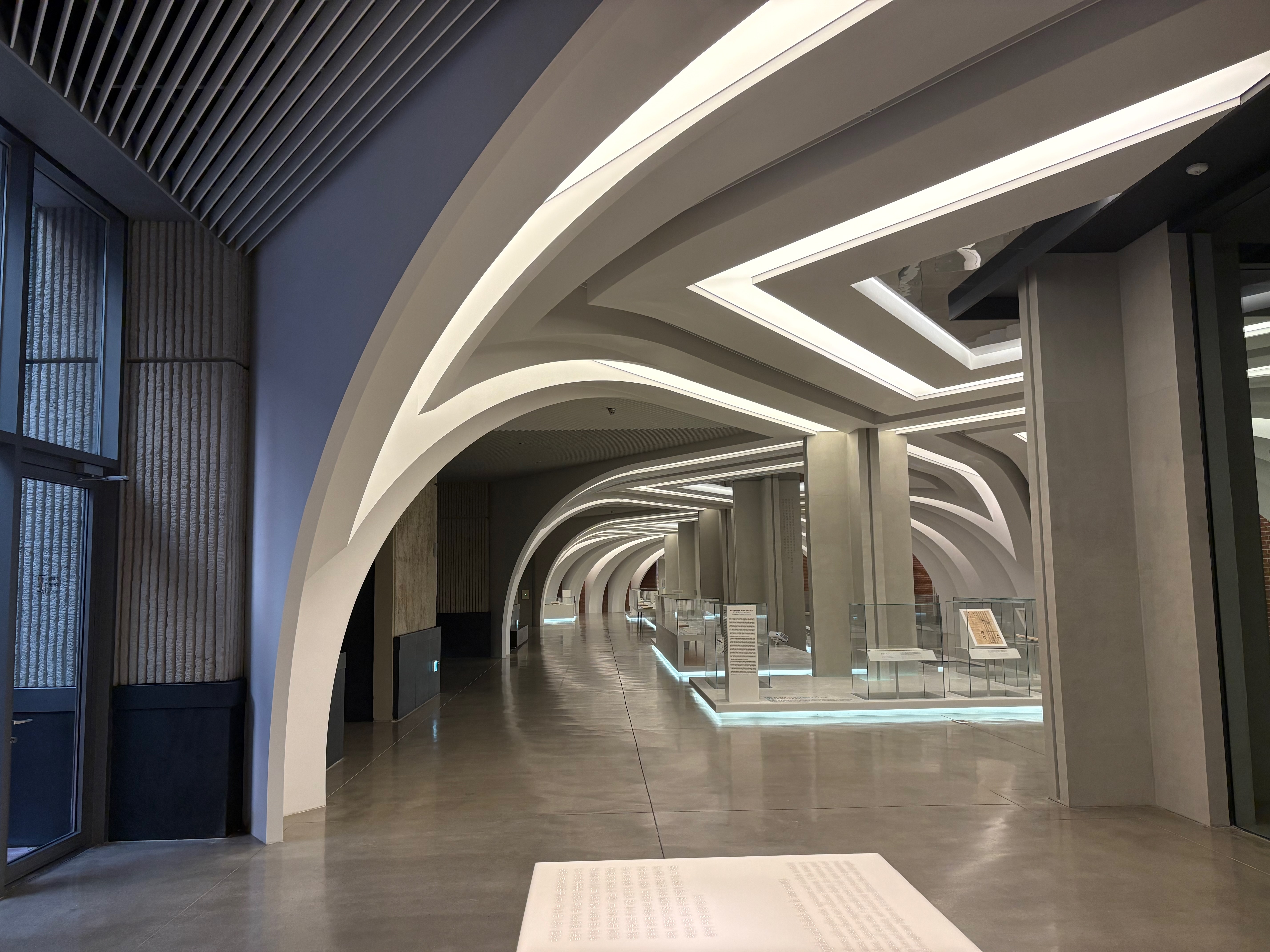
Unlike the museum’s main spaces, which are composed mostly of right angles, the permanent exhibition hall has futuristic curves that flow through the interior.
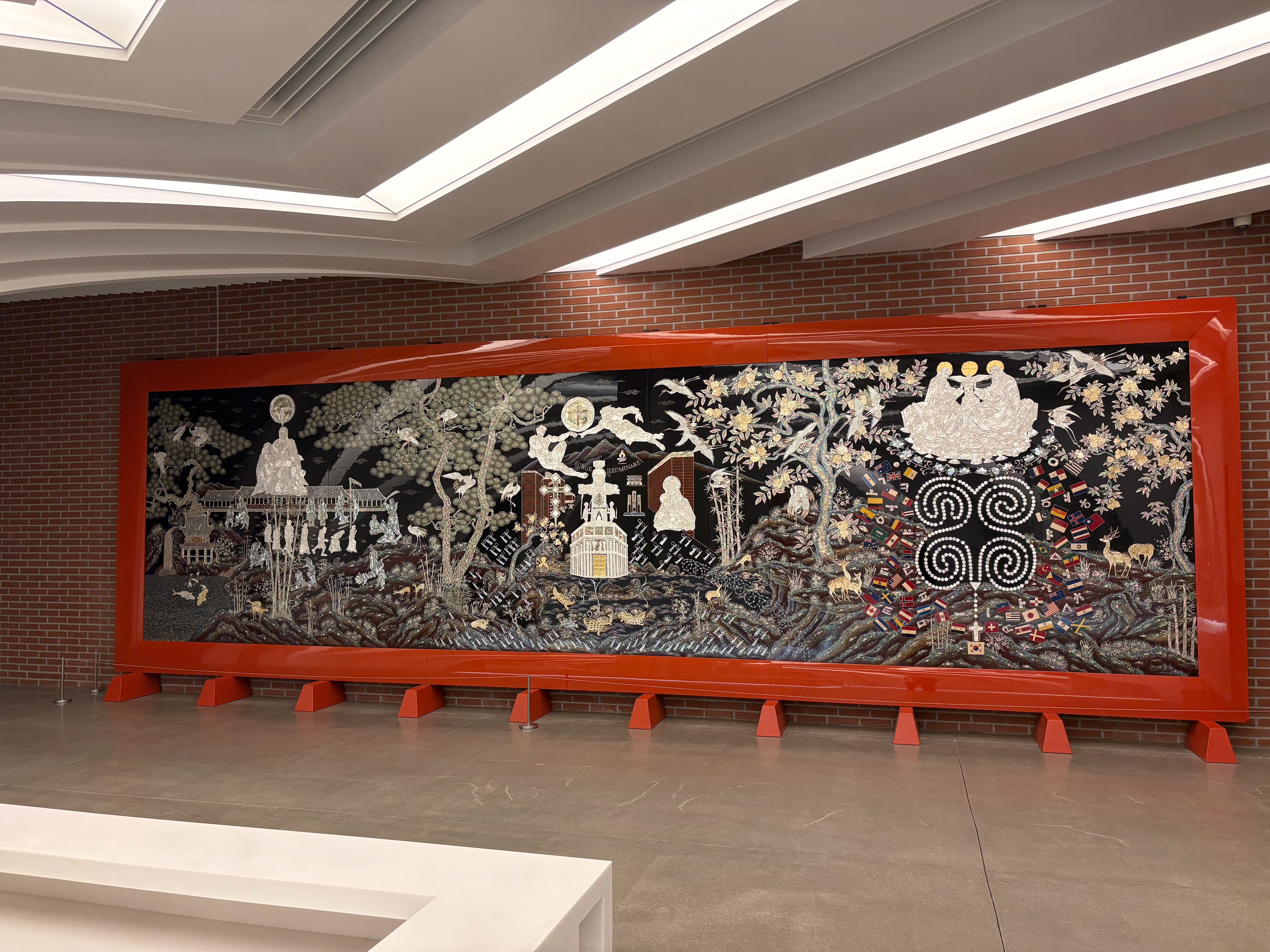
Here, you can look through historical materials about the martyrs and Seosomun.
In the End
When you leave the museum, you can see one of the few remaining railway crossings in Seoul.
There seems to have been an overpass here before, but it looks like most of it has been demolished.
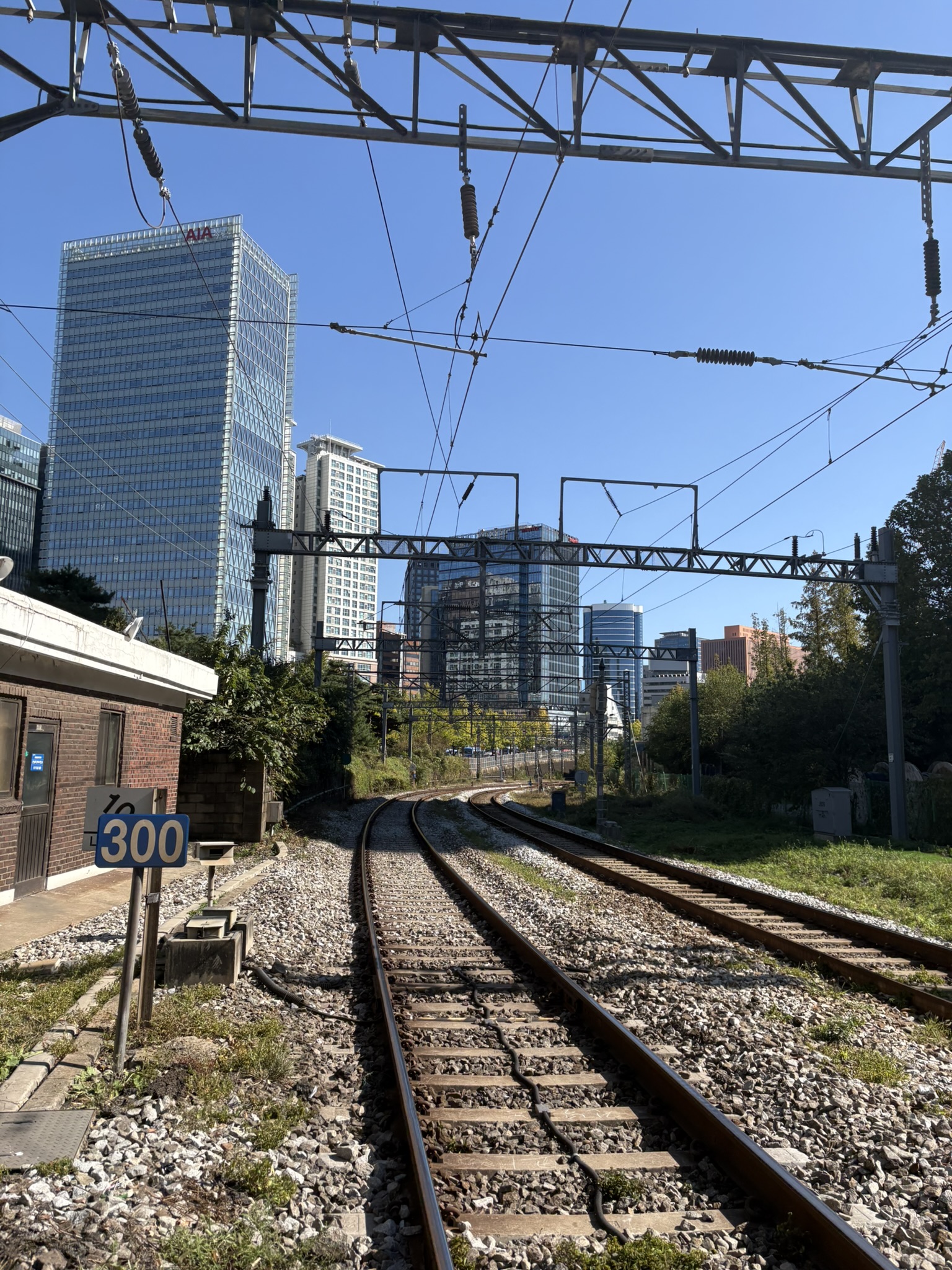
I heard the sound of a train passing by and hurried over, only to see a subway train go by.
Honestly, I wouldn’t have cared what kind of train it was, but since it wasn’t actually a train, I felt a little disappointed for some reason.